I am happy to share that my book on Clock Towers of India has now been published.
The book describes colonial-era clock towers built before Independence in a chronological order, along with a brief history of time measurement. The book’s layout with texts and photographs is in a coffee table book format, where the reader can pick up any city or clock tower of interest without having to go through the book sequentially. We often come across these monuments at major streets, and many of them have stopped working, locked out of public access and few have been replaced with fragile battery driven clocks. At a time when we do not need clock towers to tell us the time, they remind us of our history of time measurement and how time as a shared public resource was used for the community. It is aimed that the book will create an interest and appreciation of the country’s horological past, leading to their restoration, preservation, and mixed use of these monuments as public spaces.
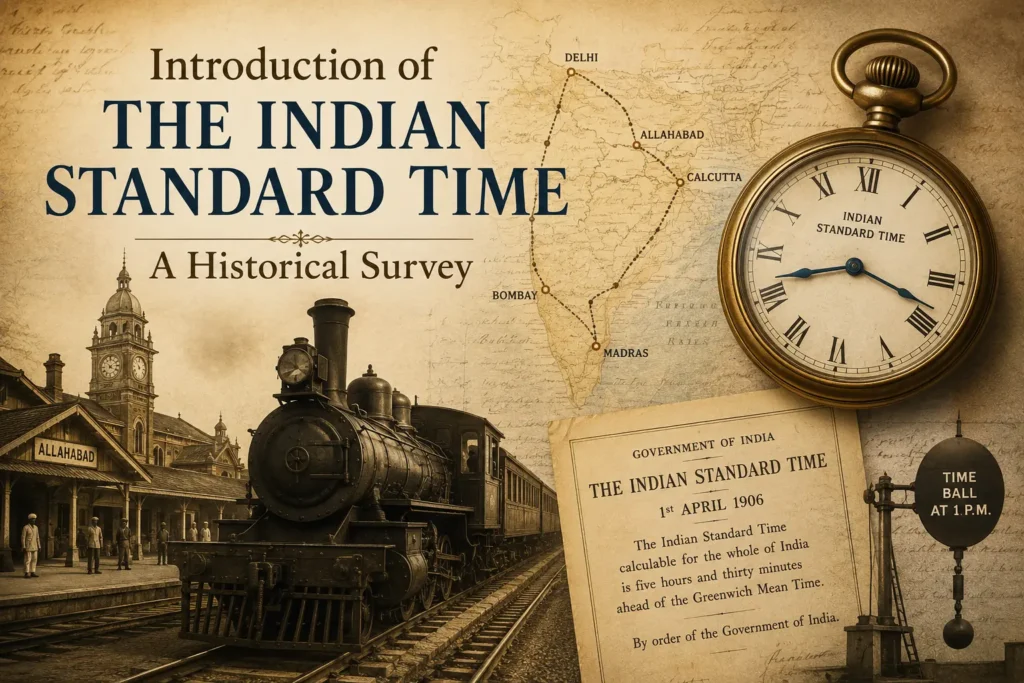
I have been interested in the history of time measurement since many years, how sundials were used in ancient India and how the Indian Standard Time was decided and this endeavour is a step in that curiosity journey.
About the Book:
Sentinels of Time is a richly illustrated exploration of India’s clock towers, revealing how public timekeeping has shaped—and been shaped by—the sub-continent’s history. Although these monuments are important for the history of horology and of architecture, there has been no comprehensive study of these so far. The present book aims to fill in this gap, by treating 150 clock towers from all the corners of India. Bringing together architecture, horology, and wider history, this novel volume opens a new visual and documentary record of India’s public clocks and the communities that have sustained them.

I have been lucky to receive affirmations from two very renowned authorities on the subject.David Rooney, author of About Time and former curator of timekeeping at the Royal Observatory Greenwich says, “In Sentinels of Time, Debasish Das has created a detailed and wide-ranging horological gazetteer which allows its readers to explore India’s rich landscape of historical clock towers from their armchairs. Attractively designed, with ample photographs to illustrate the text, Das’s book offers a useful primer of a significant aspect of India’s past—structures and mechanisms found in most of the country’s towns and cities, often overlooked but filled with meaning. This book will contribute to the appreciation of horological heritage.”
James Nye, Chairman of the Antiquarian Horological Society says: “The history of public timekeeping in India deserves far more attention than it has so far received. As a region profoundly shaped by colonial administration—with its emphasis on regulation, coordination, and public order—India inherited a dense landscape of church towers and civic buildings equipped with mechanical clocks… Debasish Das is to be commended for this pioneering gazetteer of clock towers across the Indian sub-continent.”

The book is listed on Amazon India at https://amzn.in/d/03tqgthj
It can also be purchased from the Publisher’s website at: https://niyogibooksindia.com/product/clock-towers-of-india-sentinels-of-time/

Looking forward to reviews and feedbacks!