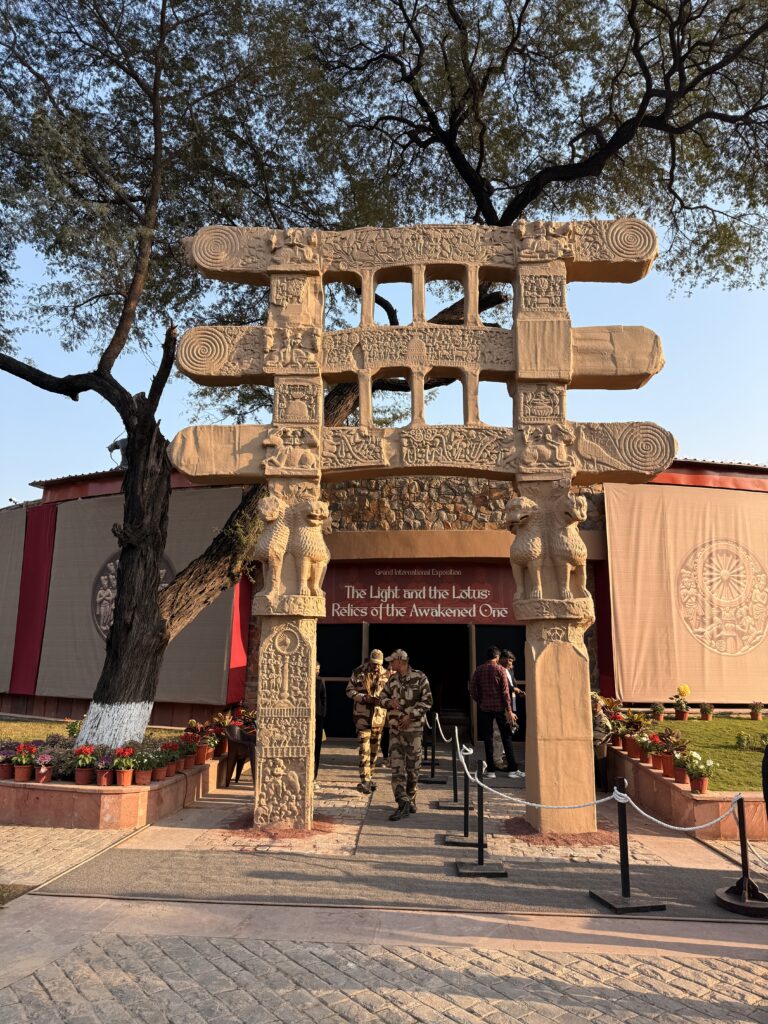
In the bustling city of Delhi, a serene and spiritually uplifting exhibition titled “Light and the Lotus” is currently on display — a rare opportunity to witness one of the most sacred archaeological finds in Buddhist history. Few months back on a wintery weekend, I decided to be witness the common ground of history and spirituality. The exhibition is being hosted at Rai Pithora Cultural Complex, Lado Sarai and the entry is free.
The exhibition brings together relics excavated from Piprahwa, Uttar Pradesh (near Kushinagar), the ancient capital of the Shakya clan. These sacred remains, believed to include the **bones and ashes of Shakyamuni Buddha** himself, were first discovered in 1898 and later in 1971–73. A portion of these treasures has been recently brought back to India through the efforts of the Indian Government and the Godrej Group. It marks a historic repatriation (halting an auction at Sotheby’s) and highlights India’s role as the birthplace of Buddhism.
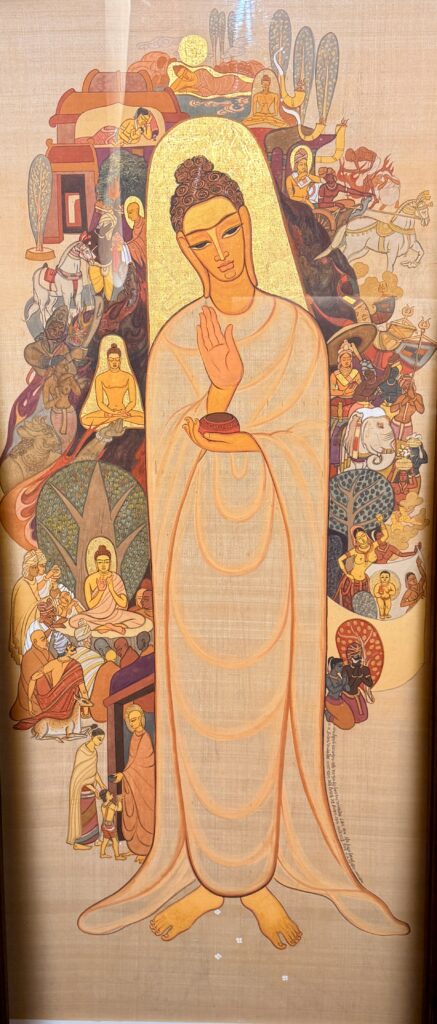
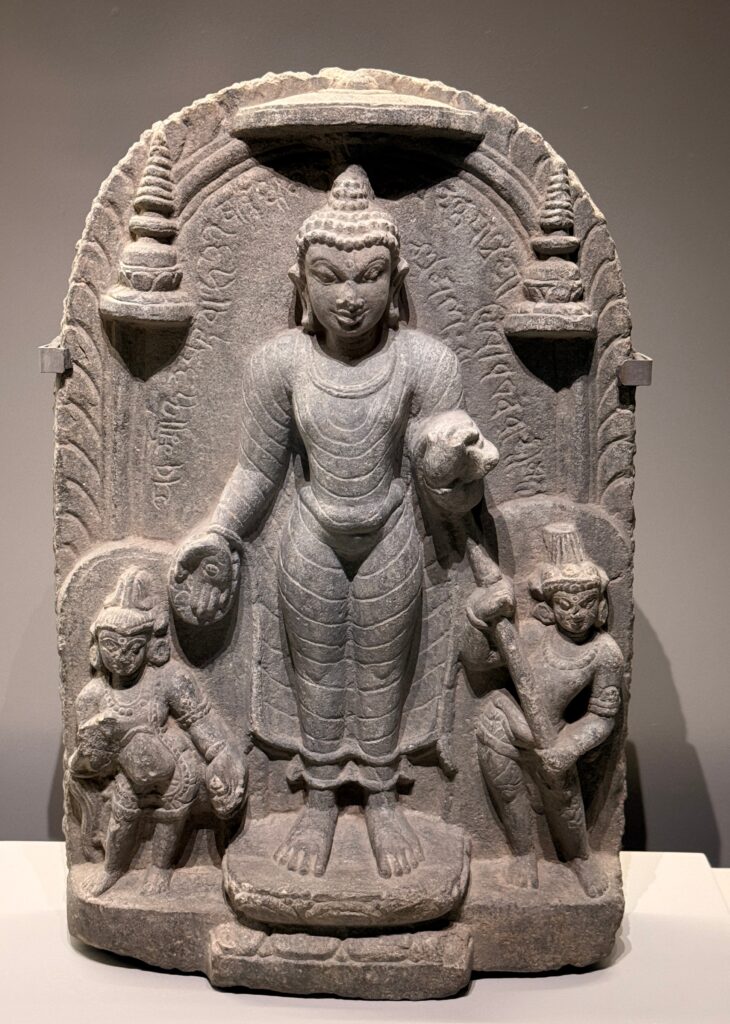
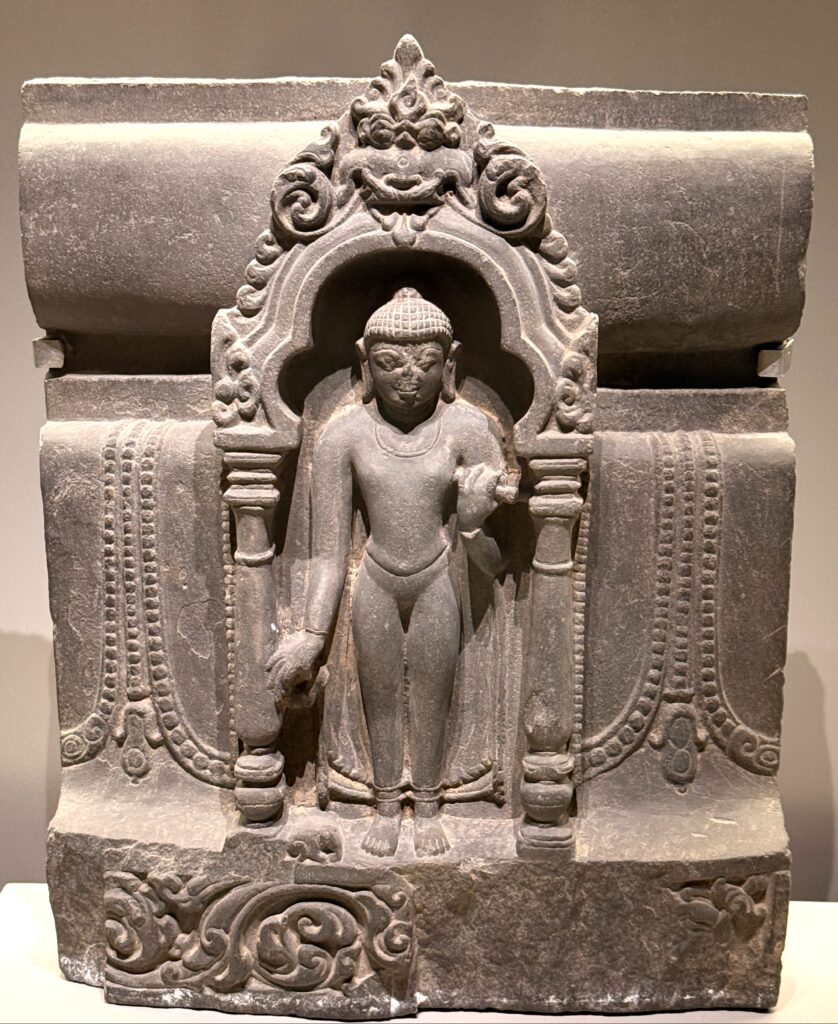
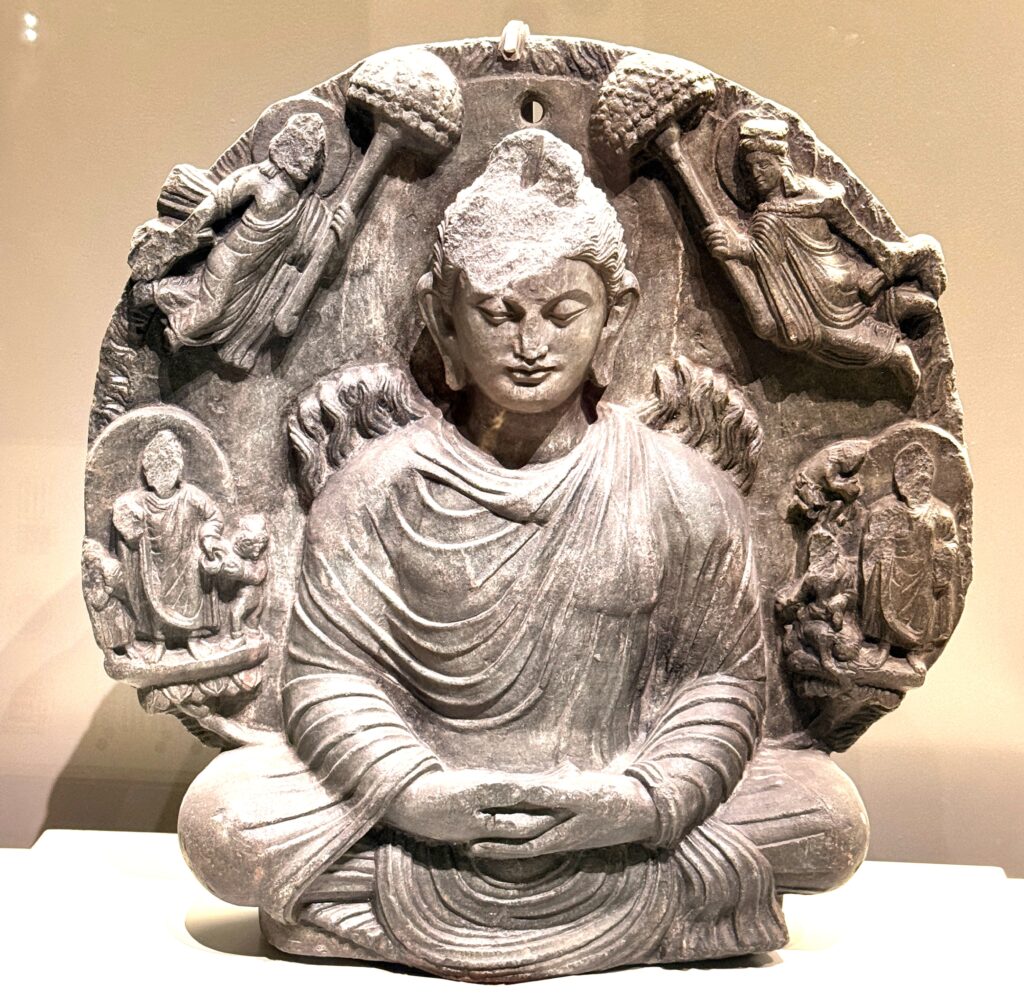
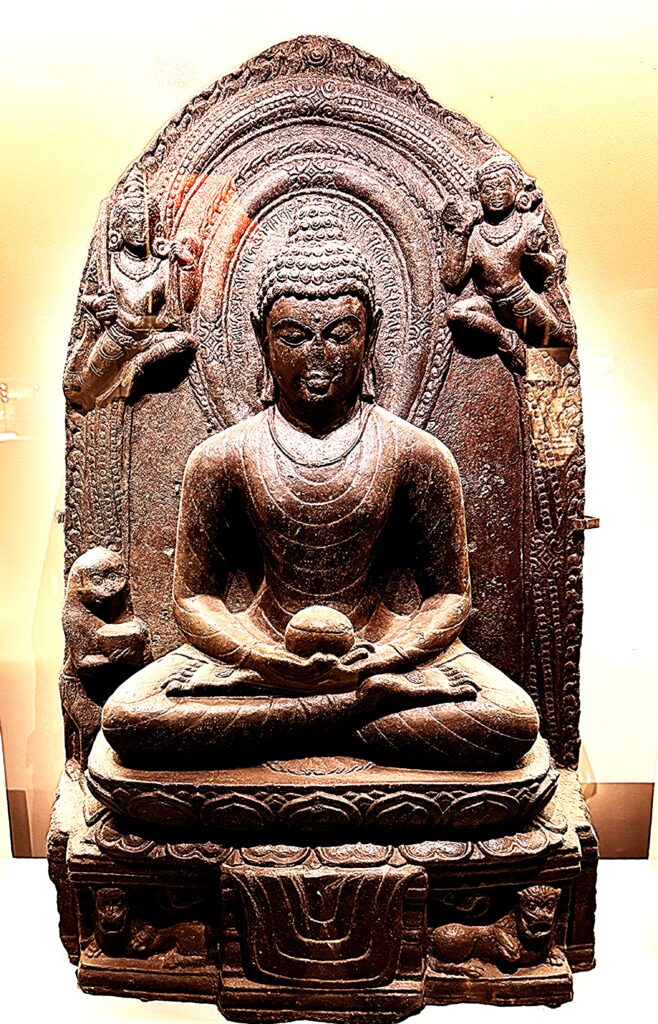
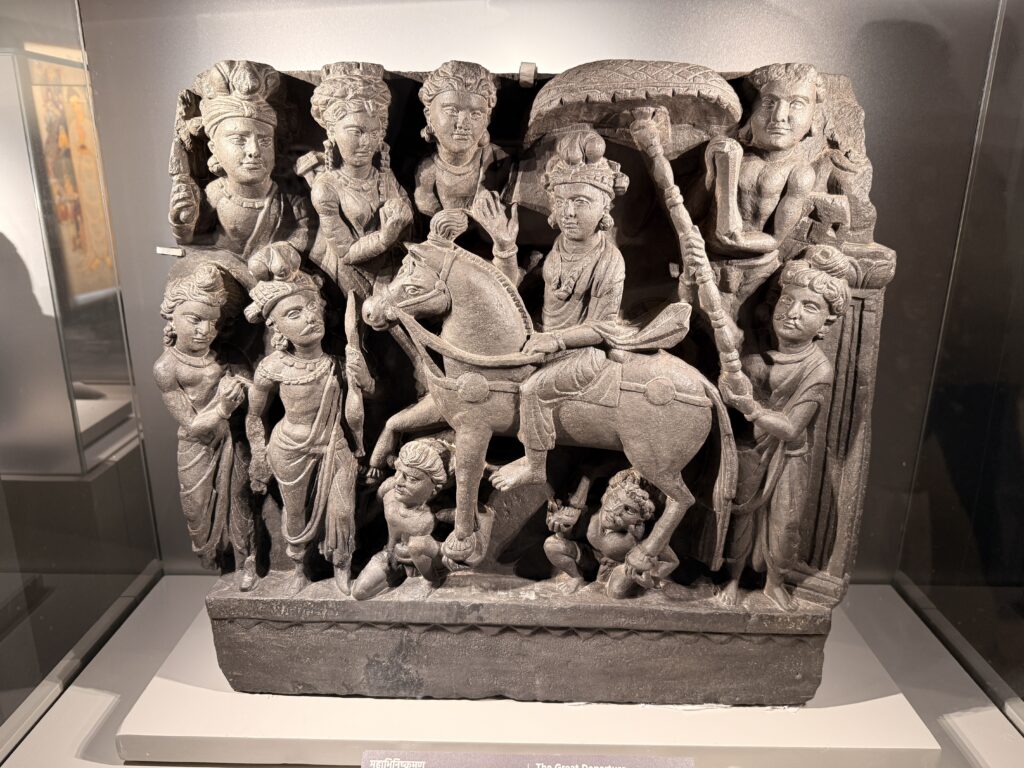
What is remarkable in this exhibition is that though it focuses on the relics of the Buddha which are both historic and religious, it also features important artefacts related to life of the Buddha from museums, so in a single space, the visitor can experience the spirit of Buddhism.
According to Buddhist tradition, after the Buddha’s Mahaparinirvana, his relics were divided among various clans. The Shakyas buried a portion at Piprahwa. Approximately 250 years later, Emperor Ashoka built a grand stupa over these sacred remains.
The Historic Discovery by William Peppe
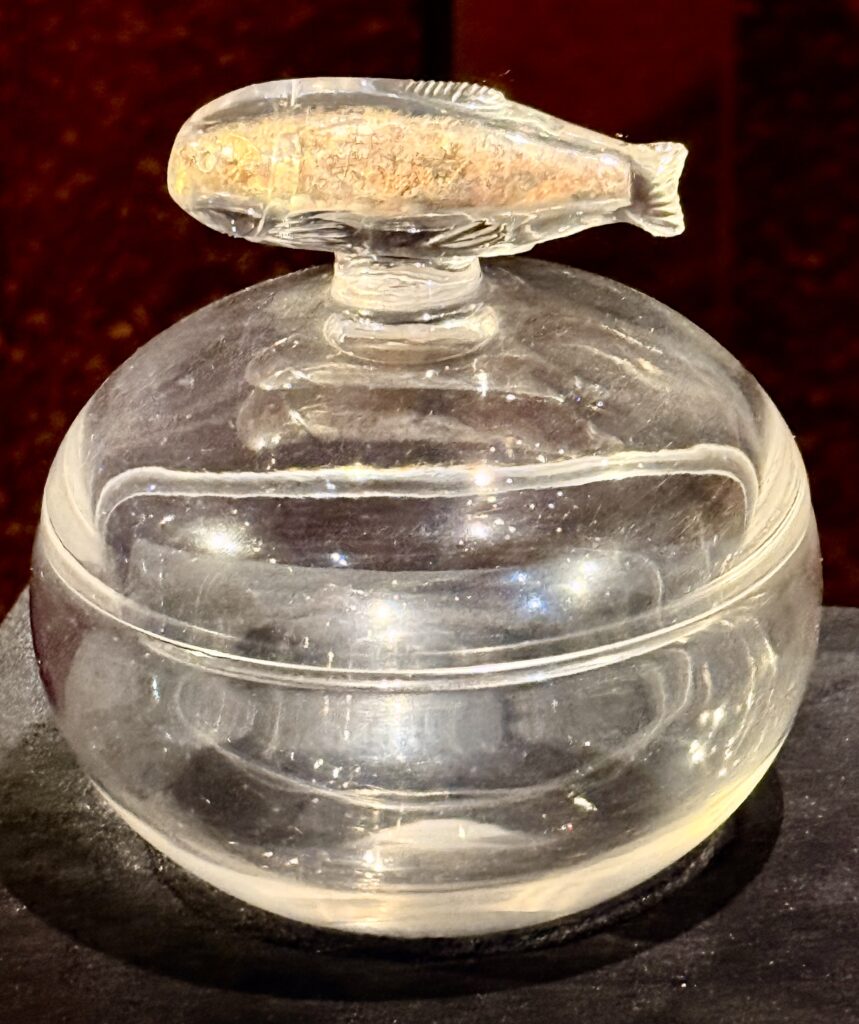
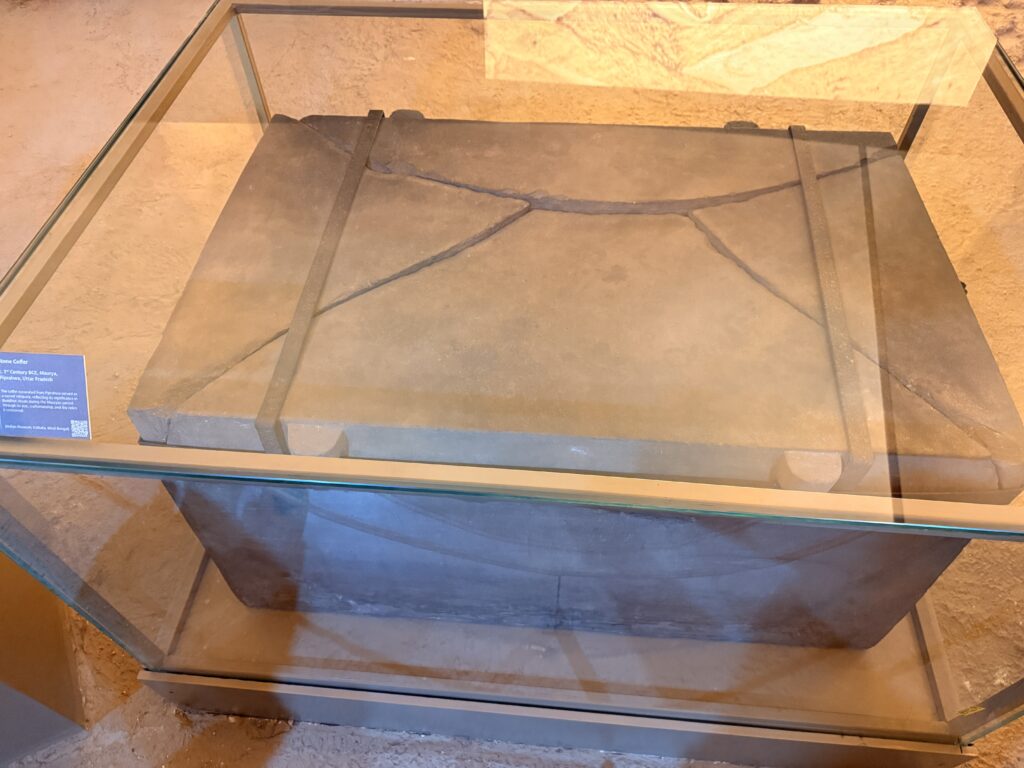
In 1898, William Peppe, an estate manager turned amateur archaeologist, made a groundbreaking discovery while excavating a stupa at Piprahwa. His team unearthed a massive stone coffer containing several caskets. Among them was a exquisite crystal jar with a fish-shaped lid, filled with hundreds of glittering precious and semi-precious stones — over 1,600 in total.
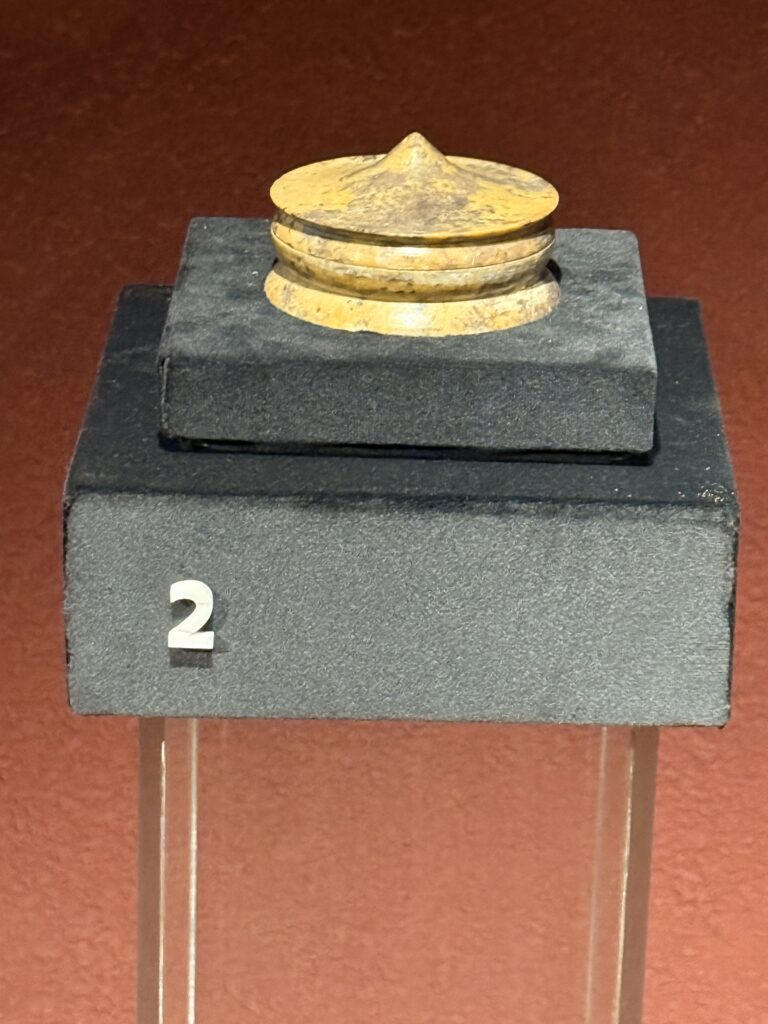
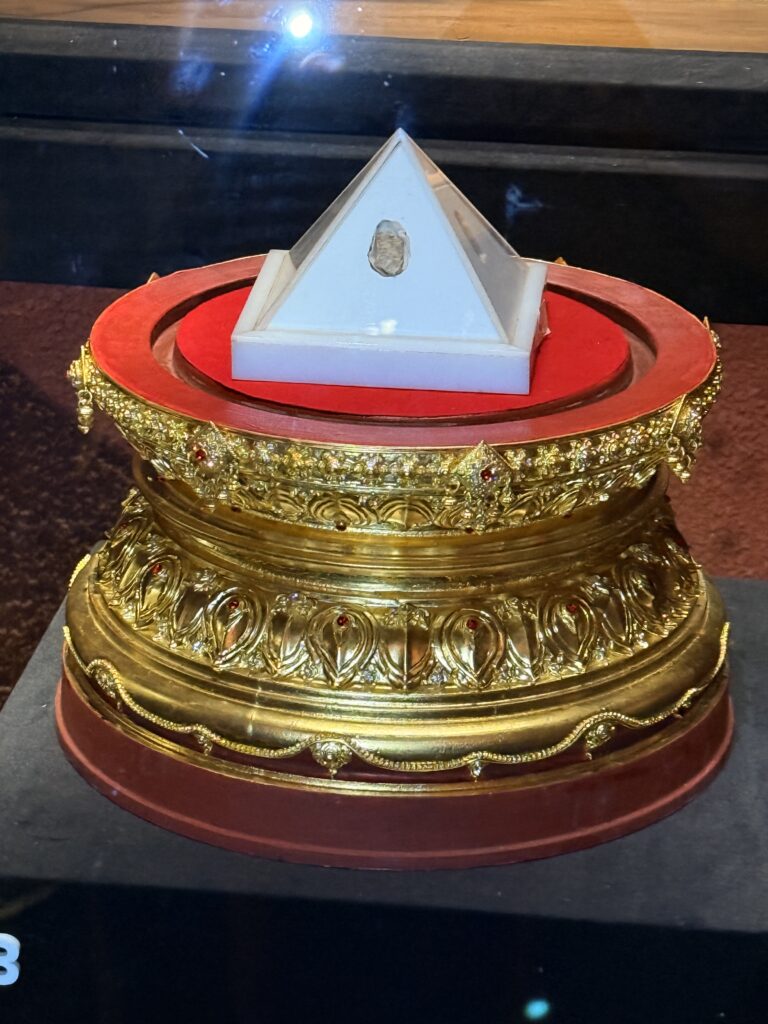
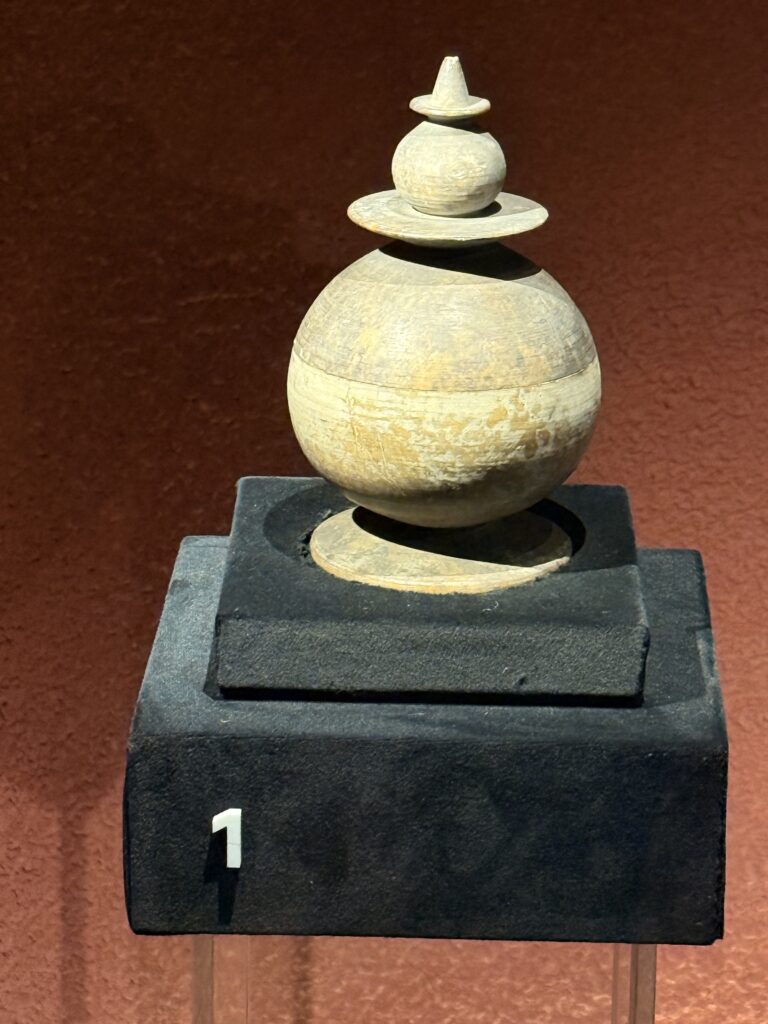
The most significant find was the bone fragments and ashes. One of the caskets bore an inscription that led archaeologists to conclude these were the relics of the Buddha himself. A fraction of these treasures, famously known as the Piprahwa Treasures, remained with the Peppe family for over a century, preserved in the original frames made by William Peppe.
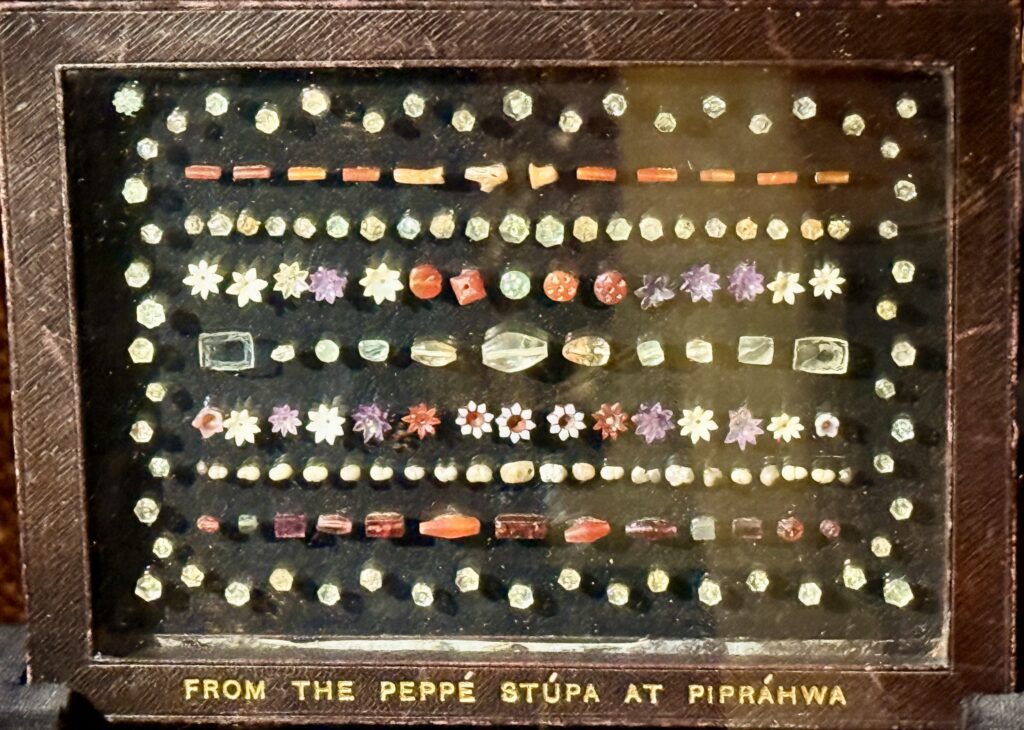
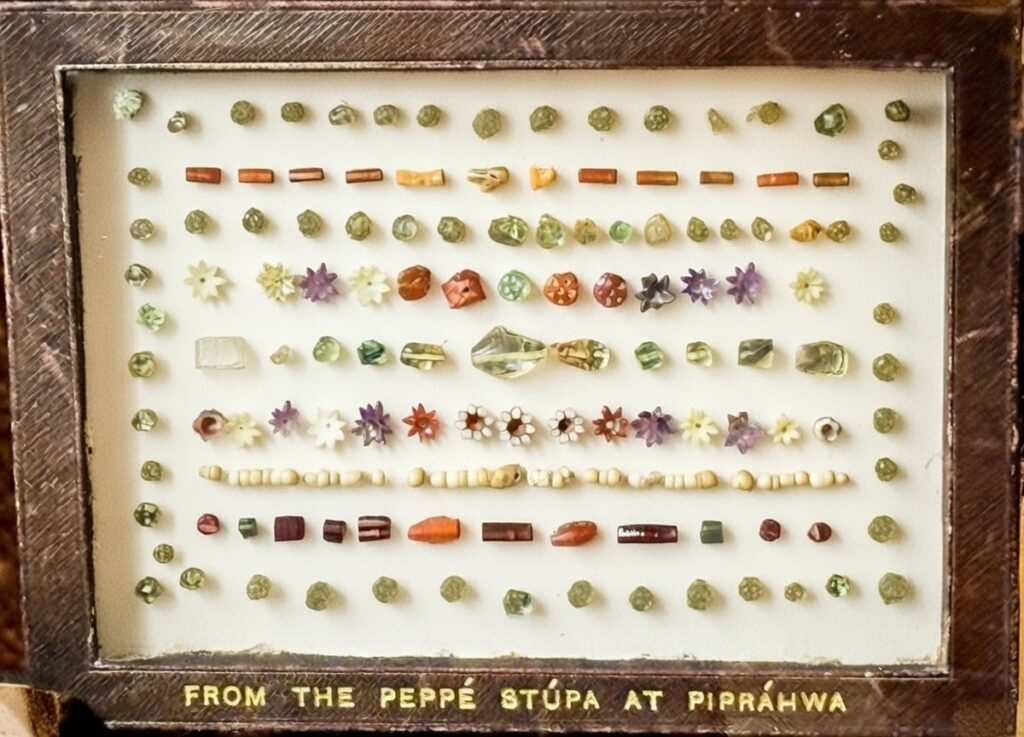
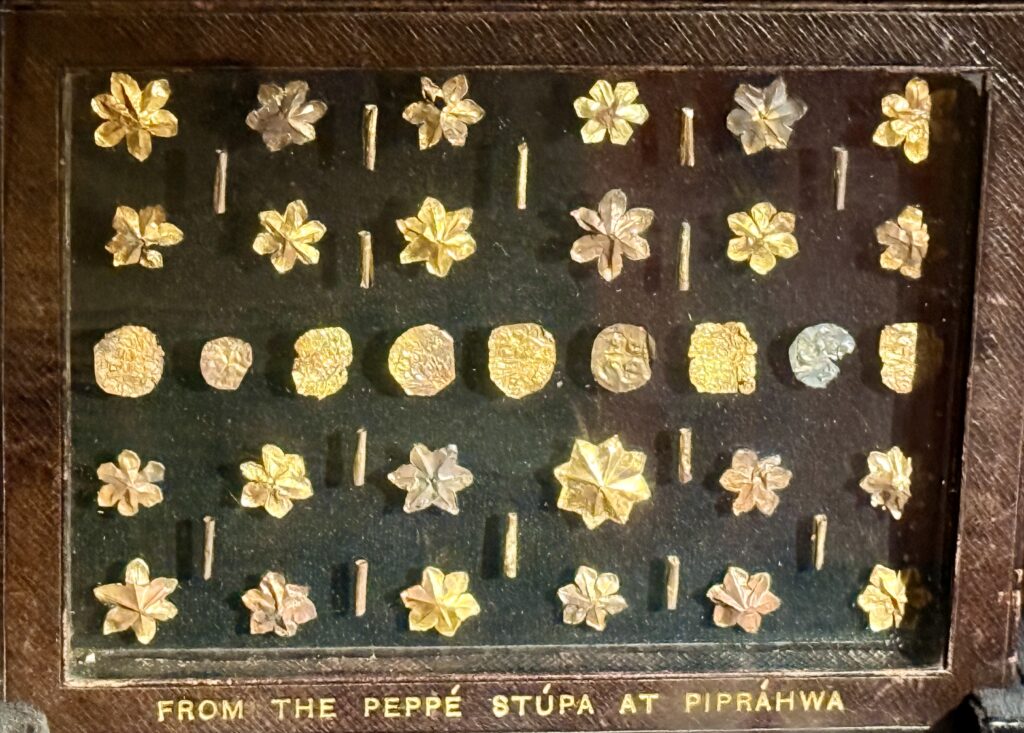
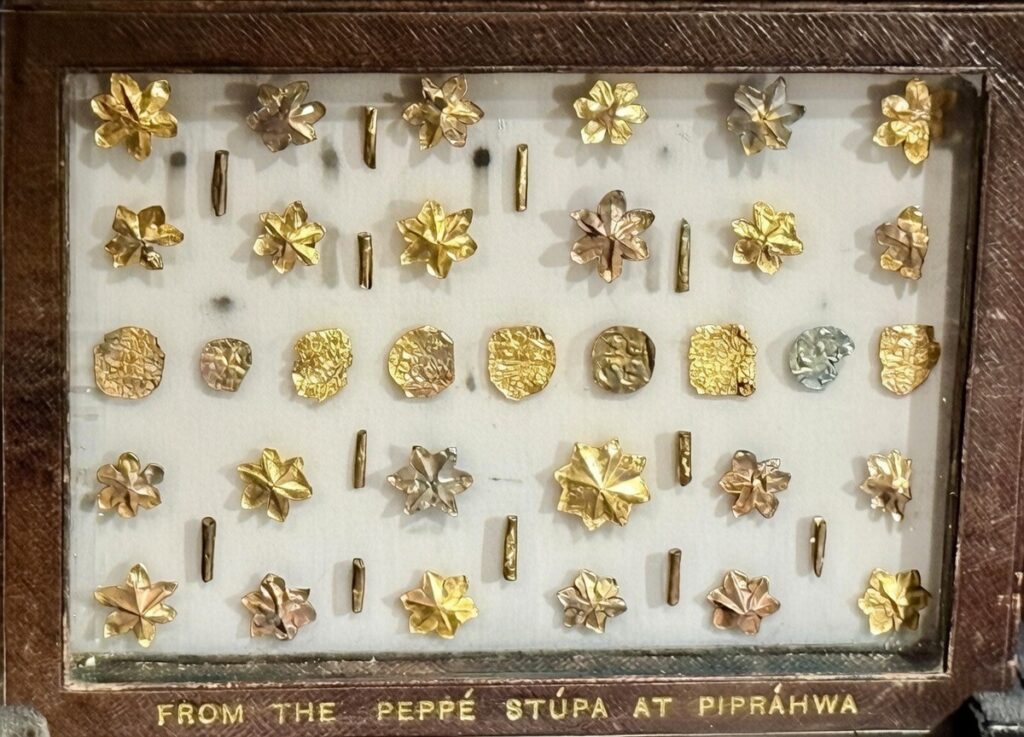
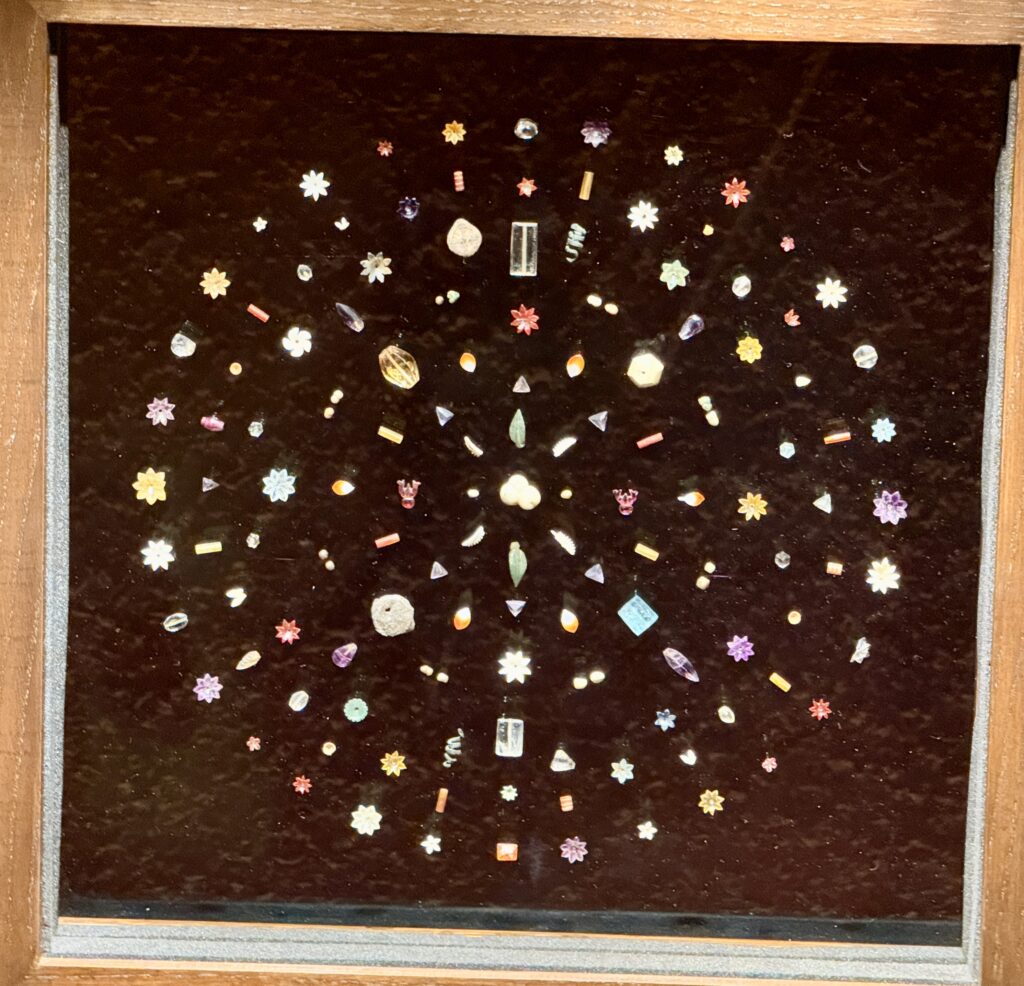
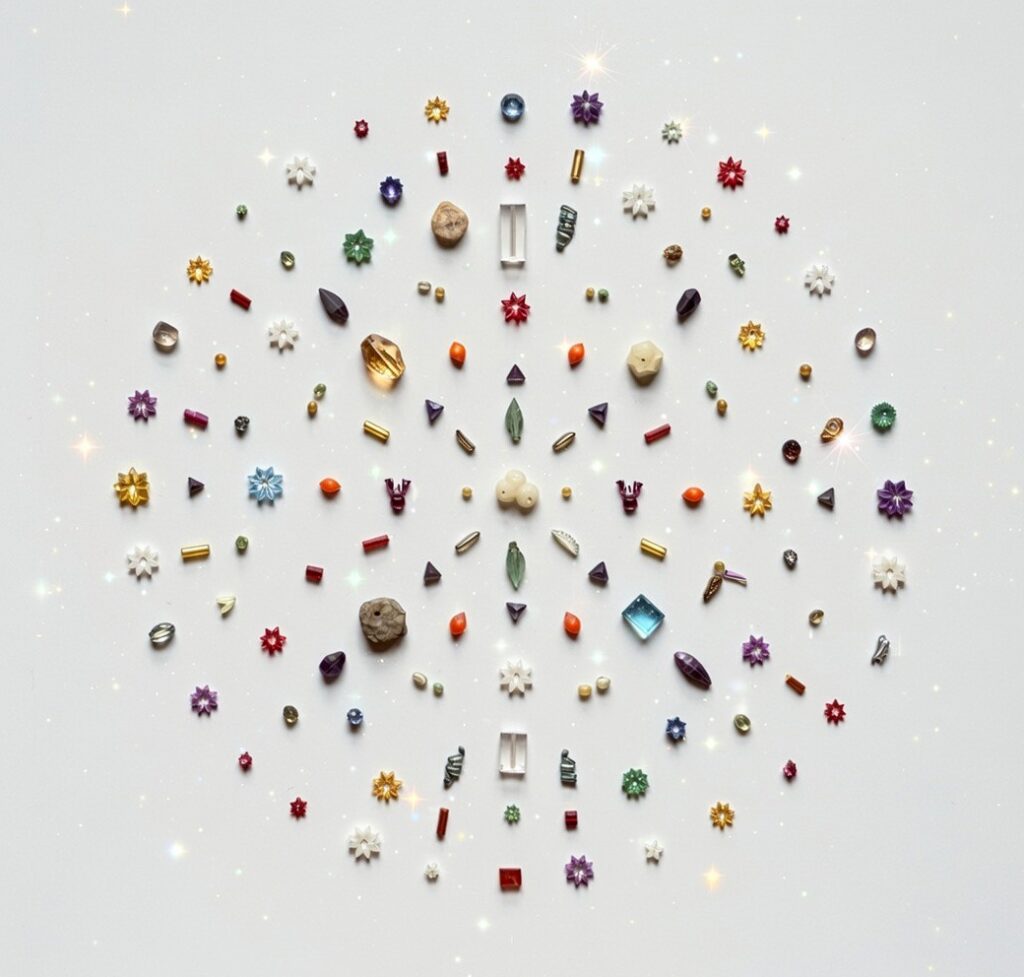
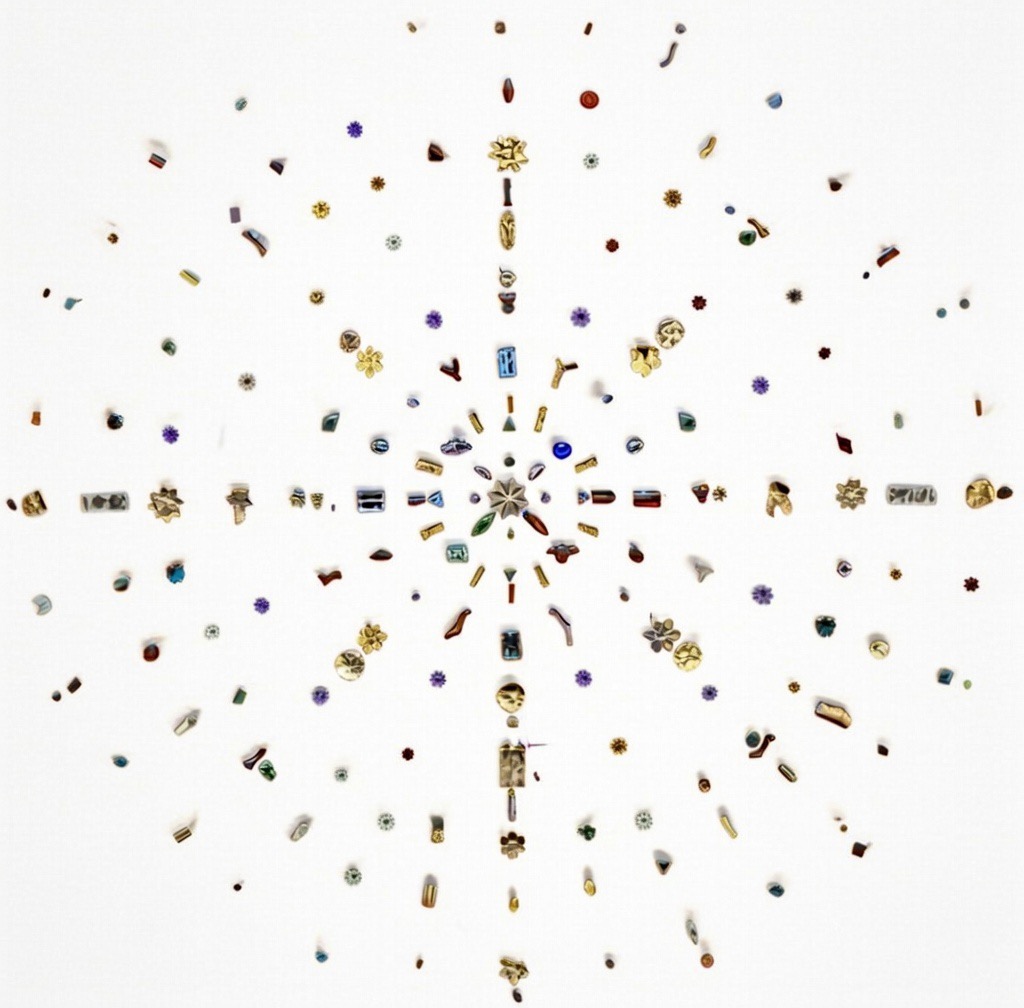
Figs. 2-8: The Piprahwa Treasures from the Peppe Collection in original framings done by Peppe, along with the precious jewels from Indian Museum, Kolkata. The white background images are enhanced for better clarity.
Recommended Documentary:
Watch the excellent BBC documentary *“Bones of the Buddha”* on YouTube:
[https://youtu.be/yn3lk6xTF24](https://youtu.be/yn3lk6xTF24)
The Exhibition
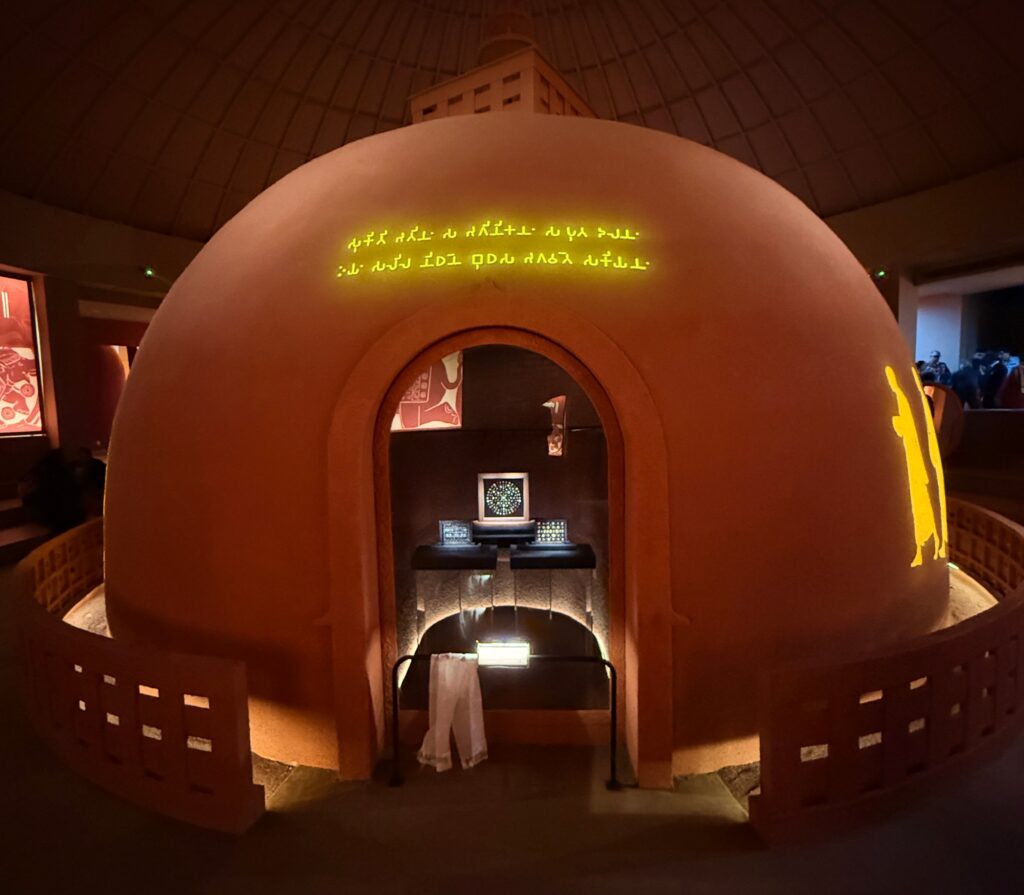
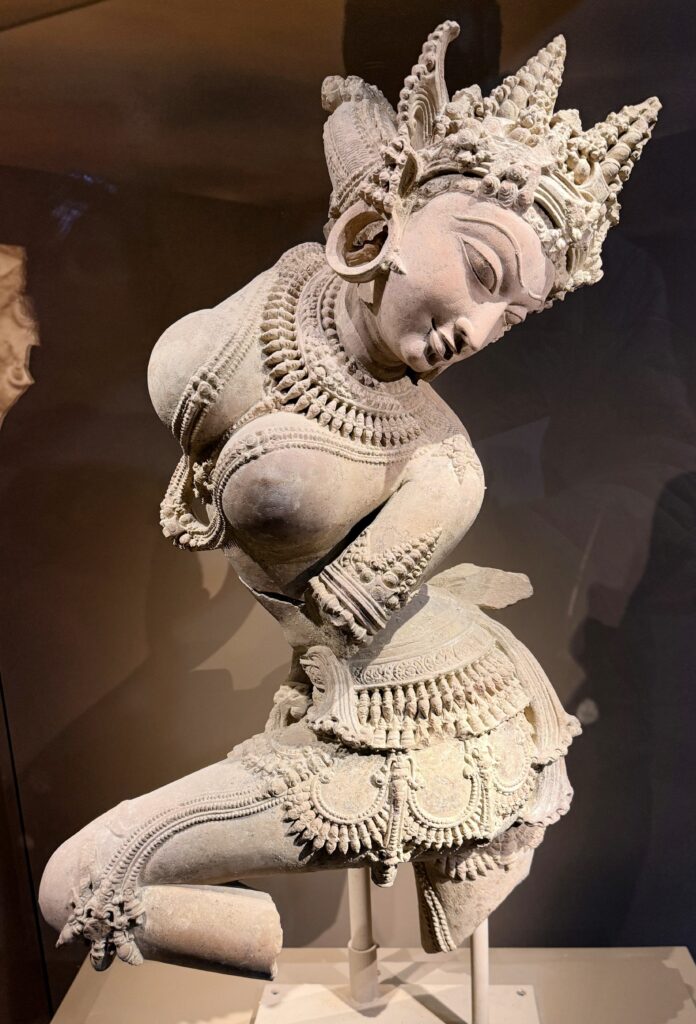
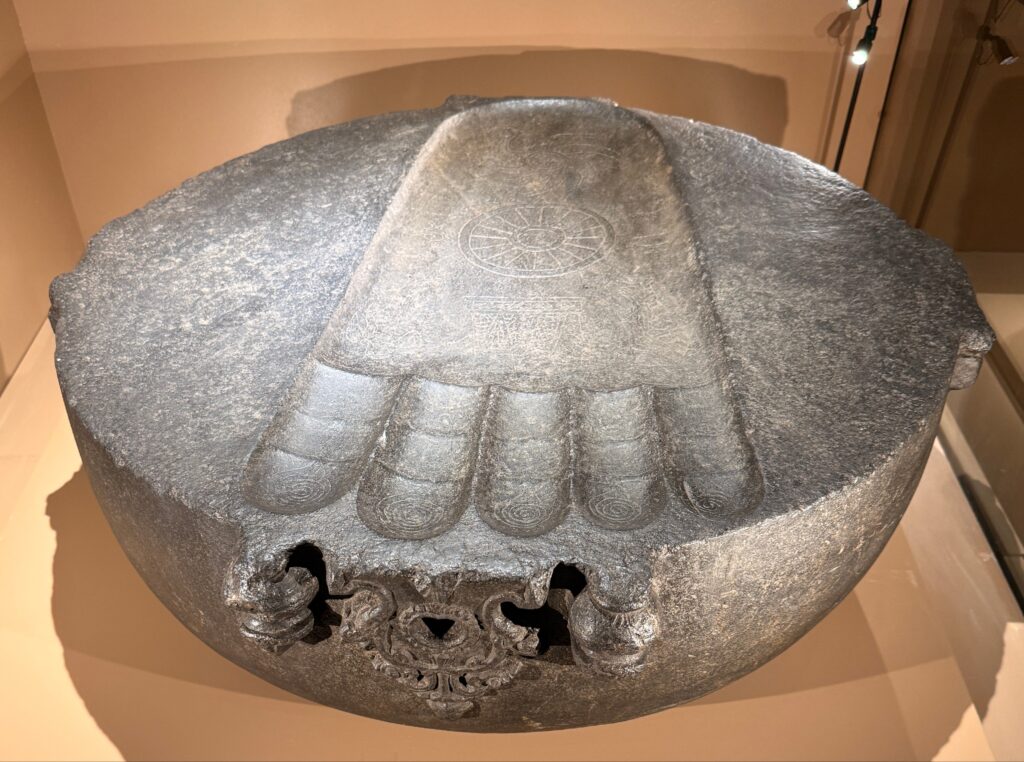
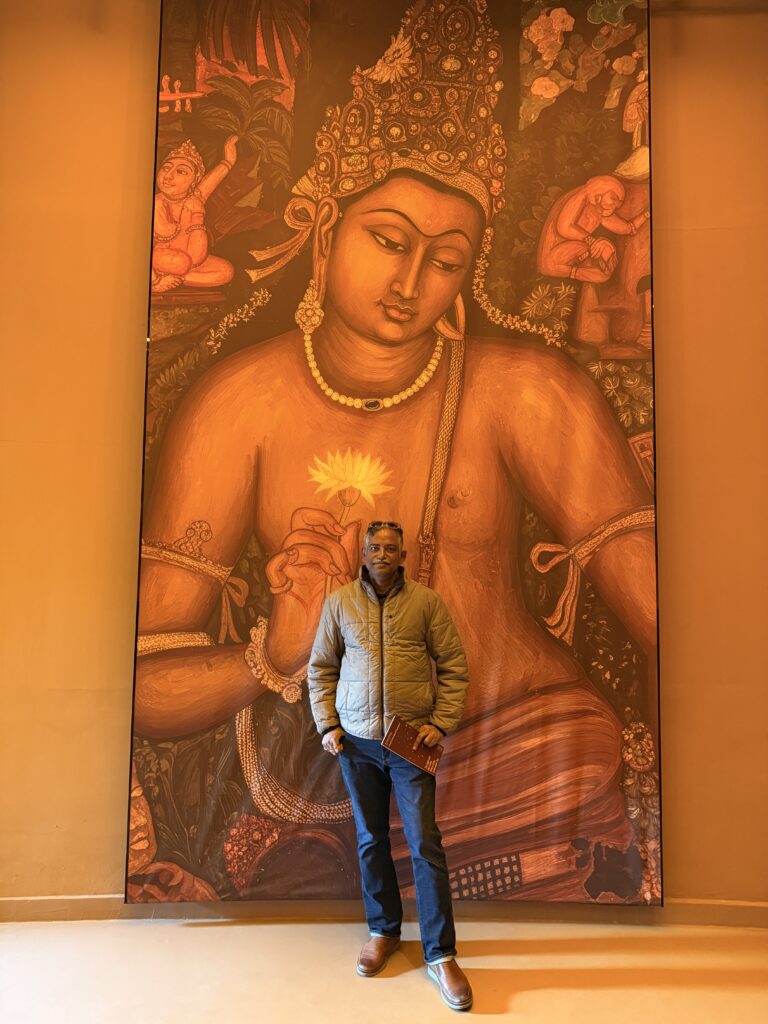
“Light and the Lotus” is not just an exhibition — it is a deeply meditative experience. Designed in the shape of an inverted-bowl stupa, the space creates a peaceful and contemplative atmosphere. The hall is gracefully adorned with rare paintings, sculptures, and artefacts on loan from the National Museum, New Delhi, Indian Museum, Kolkata, and the National Gallery of Modern Art (NGMA), Delhi.
Highlights from the Exhibition include magnificent pieces such as:
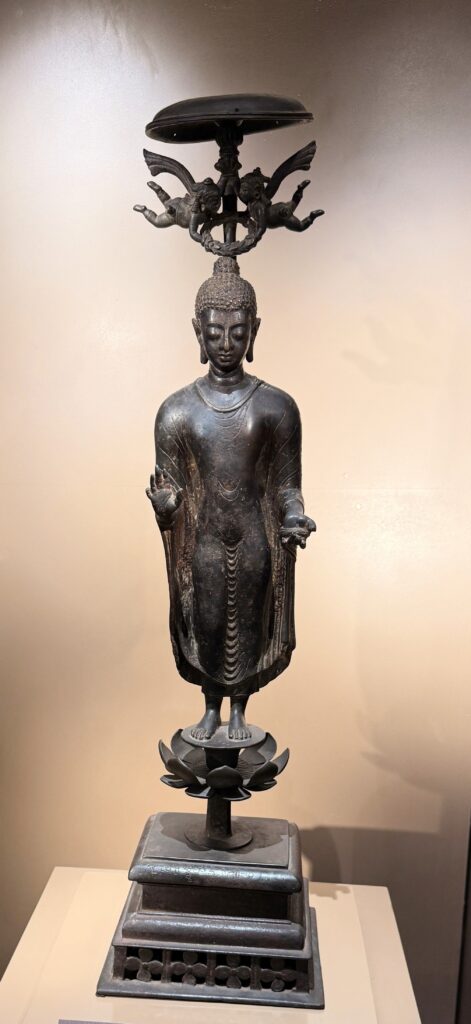
– Transcendental Buddhas (Panchtathagata) from Nalanda
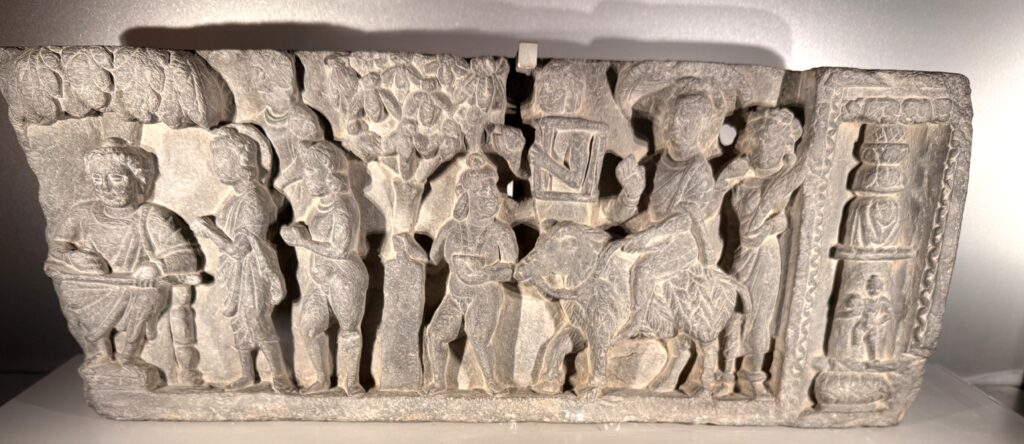
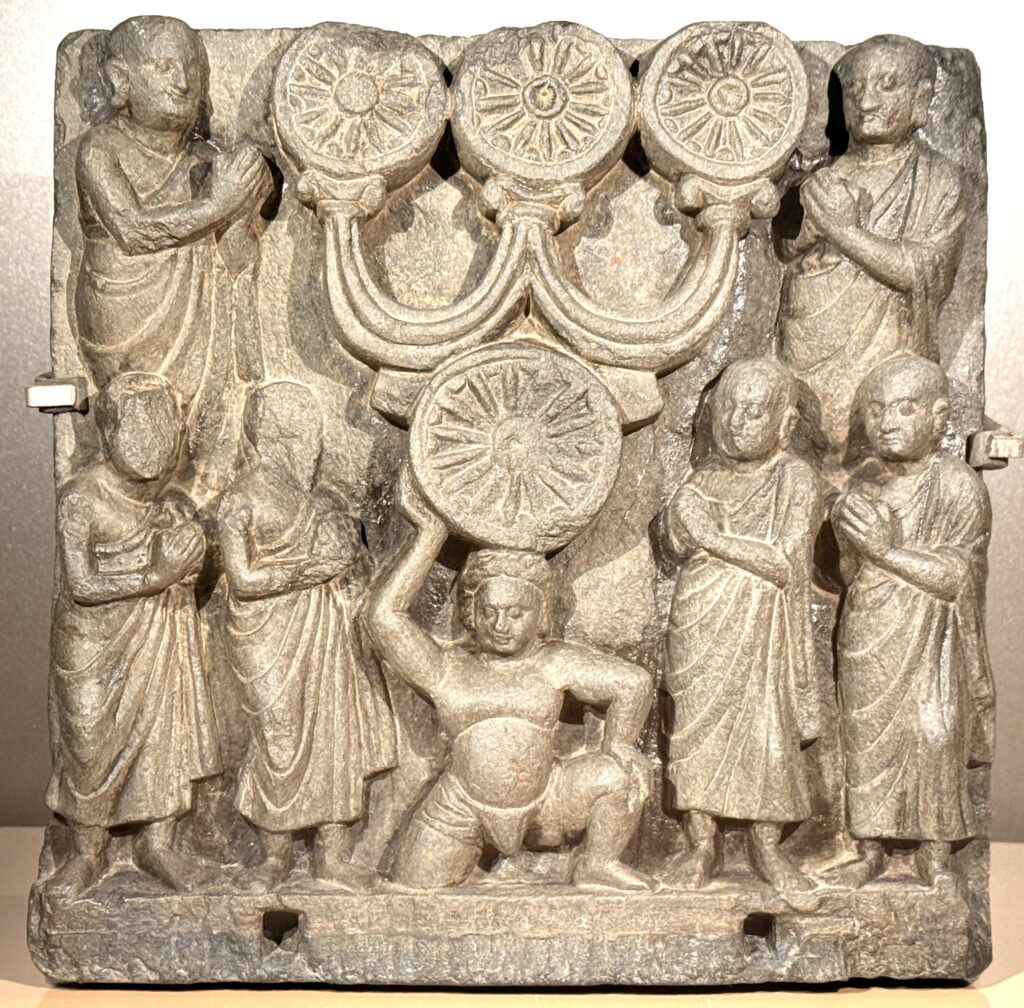
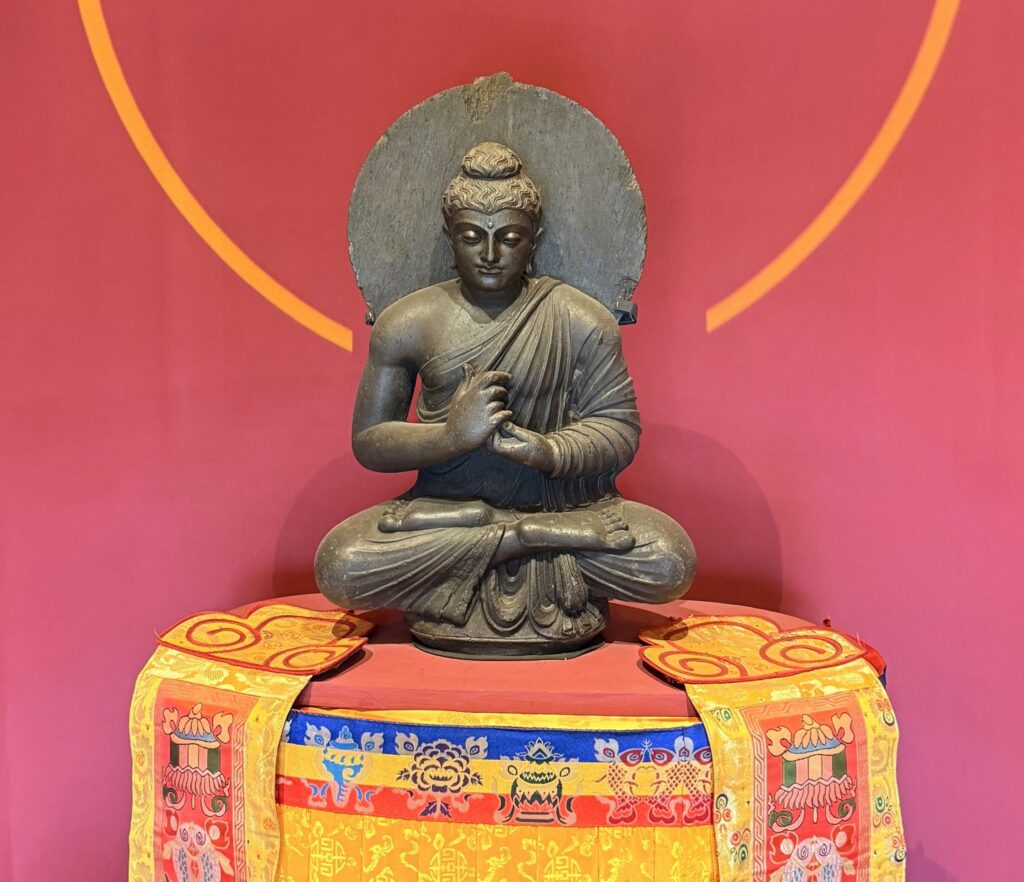
– Gandhara sculptures depicting key moments from the Buddha’s life
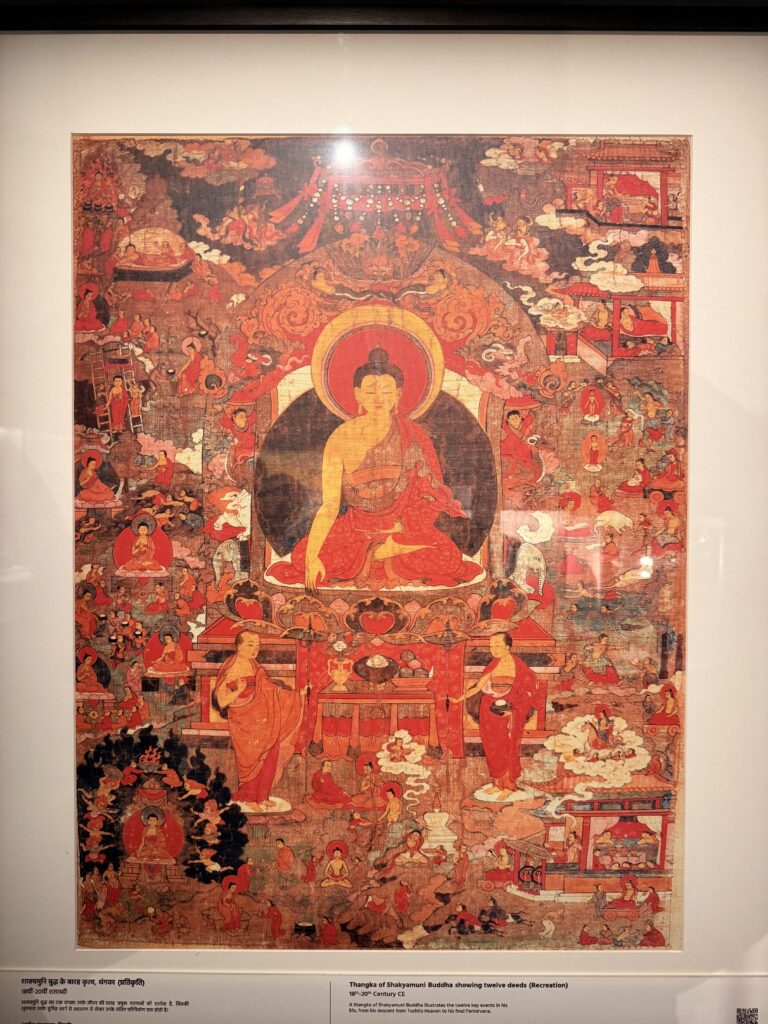
– Ancient inscriptions, votive stupas, and beautiful thangkas
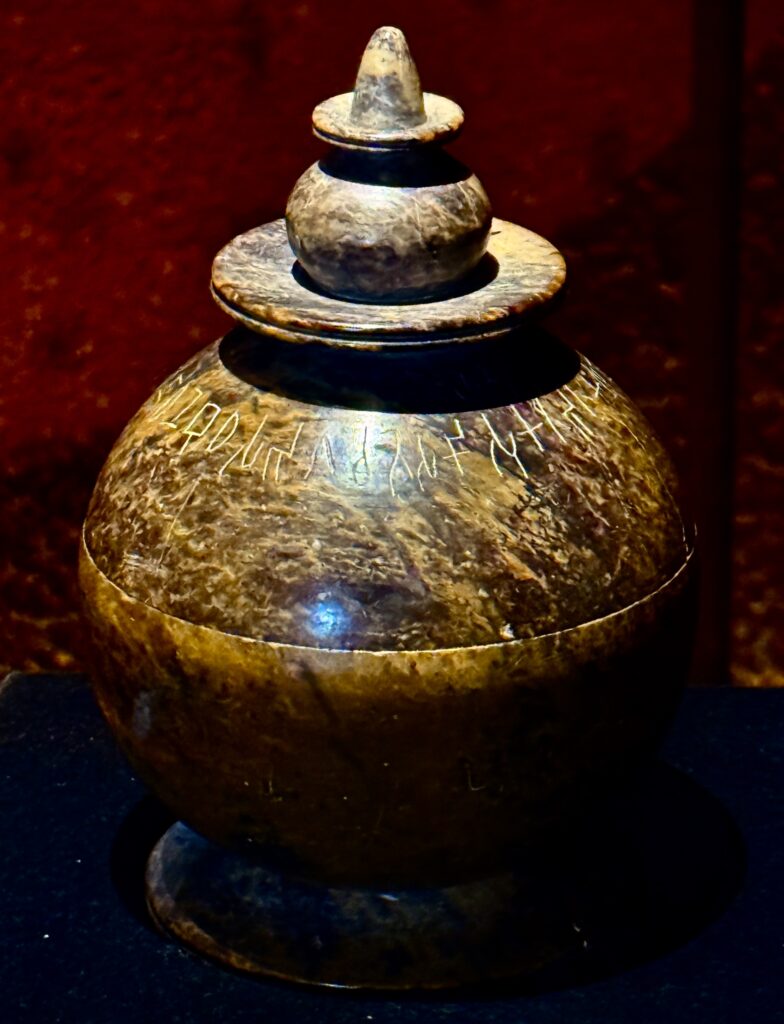
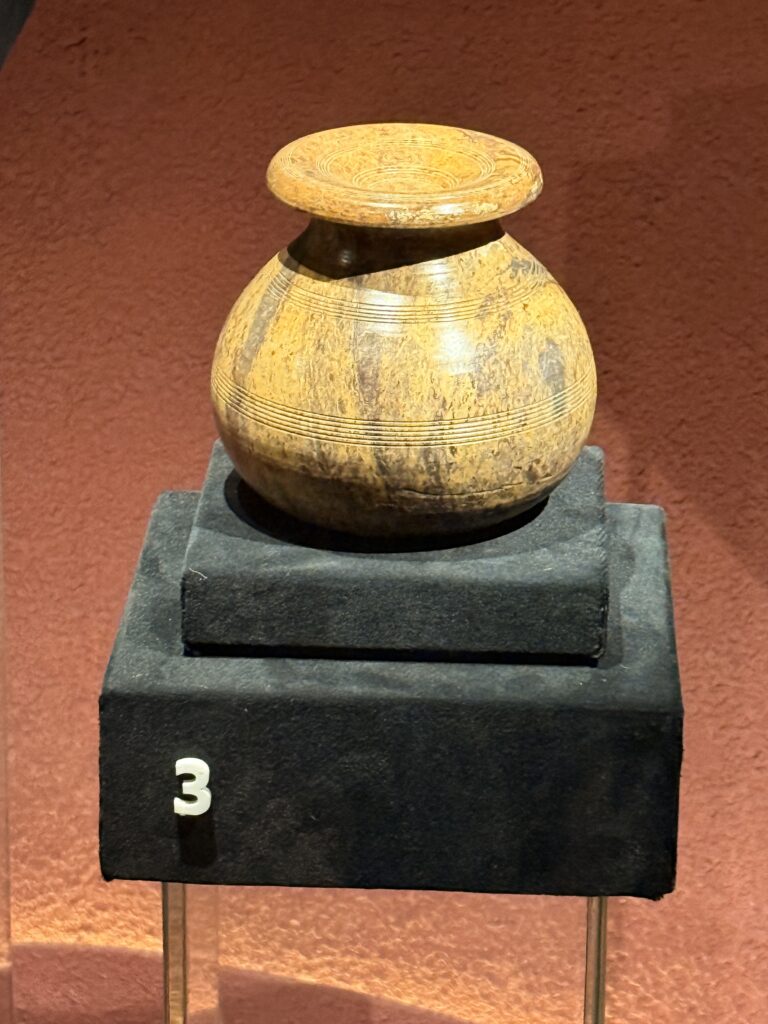
– The historic stone coffer and relic caskets from Piprahwa
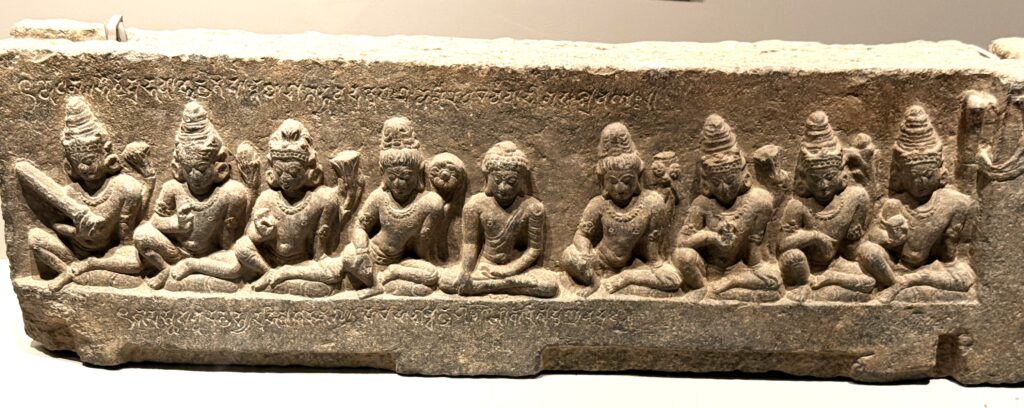
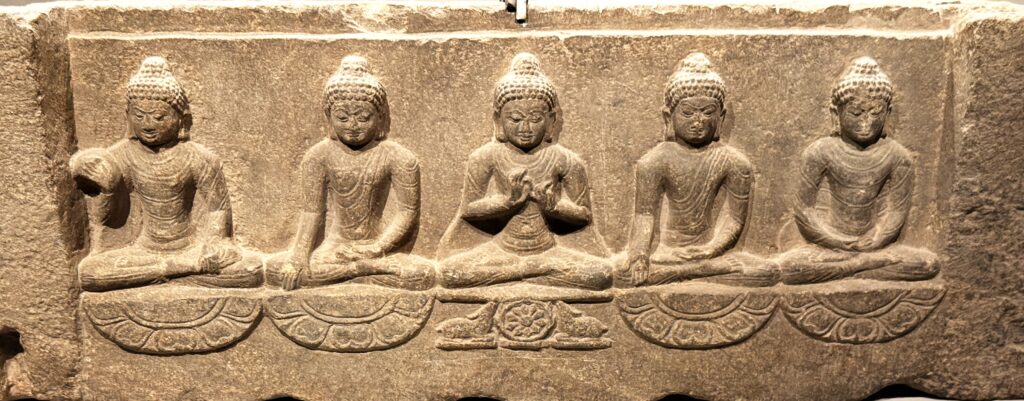
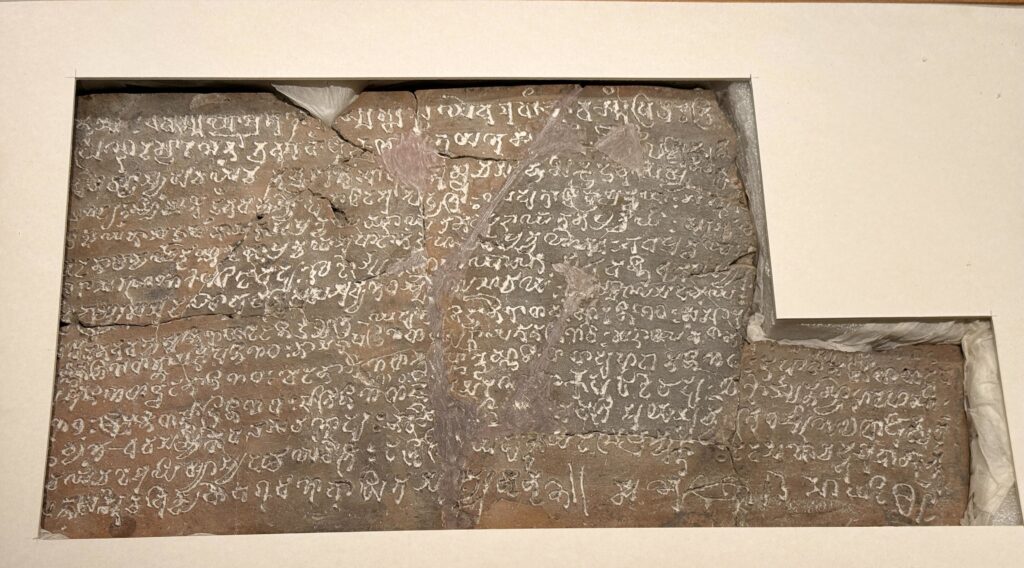
(National Museum, New Delhi)
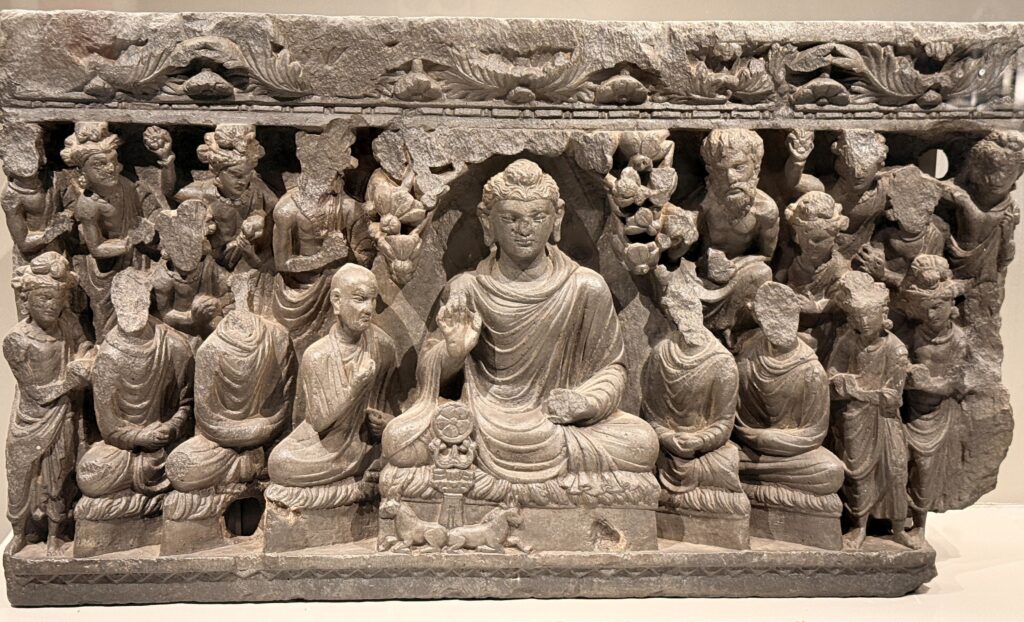
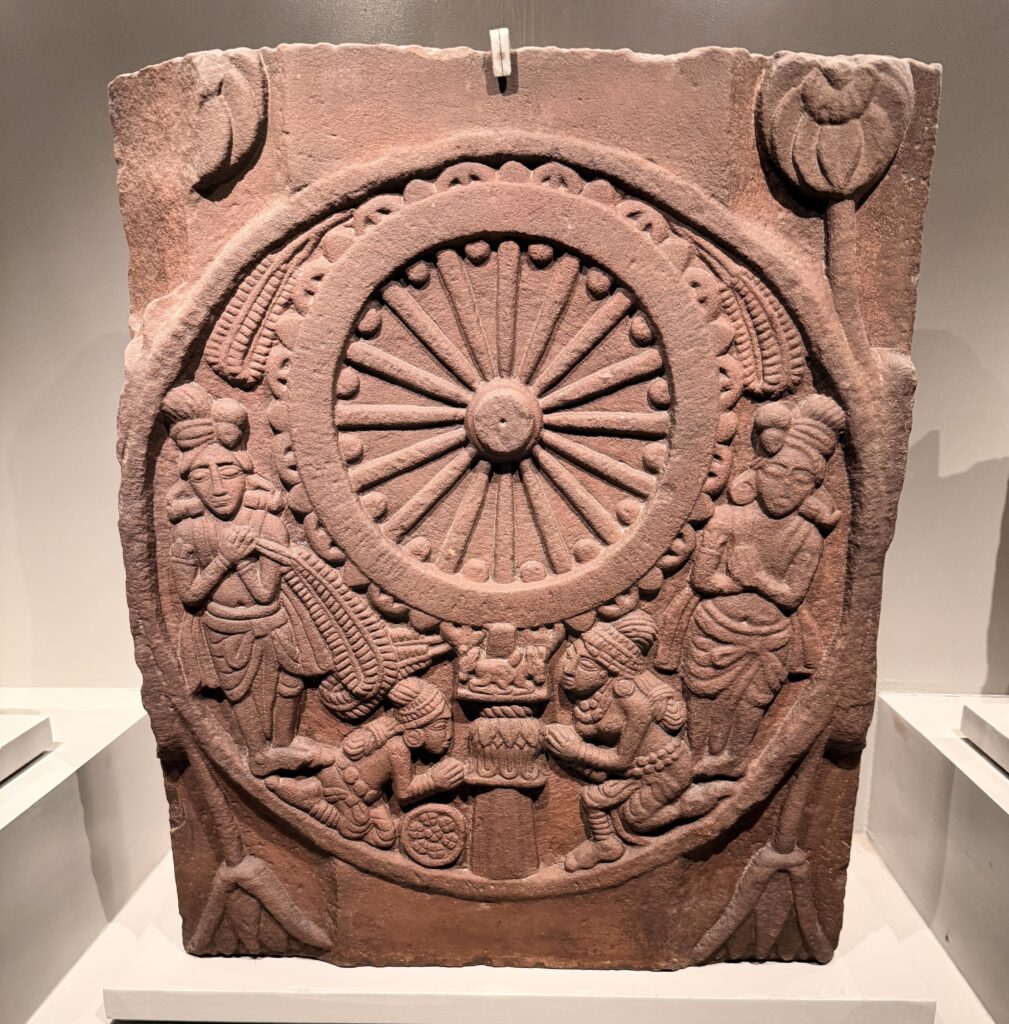
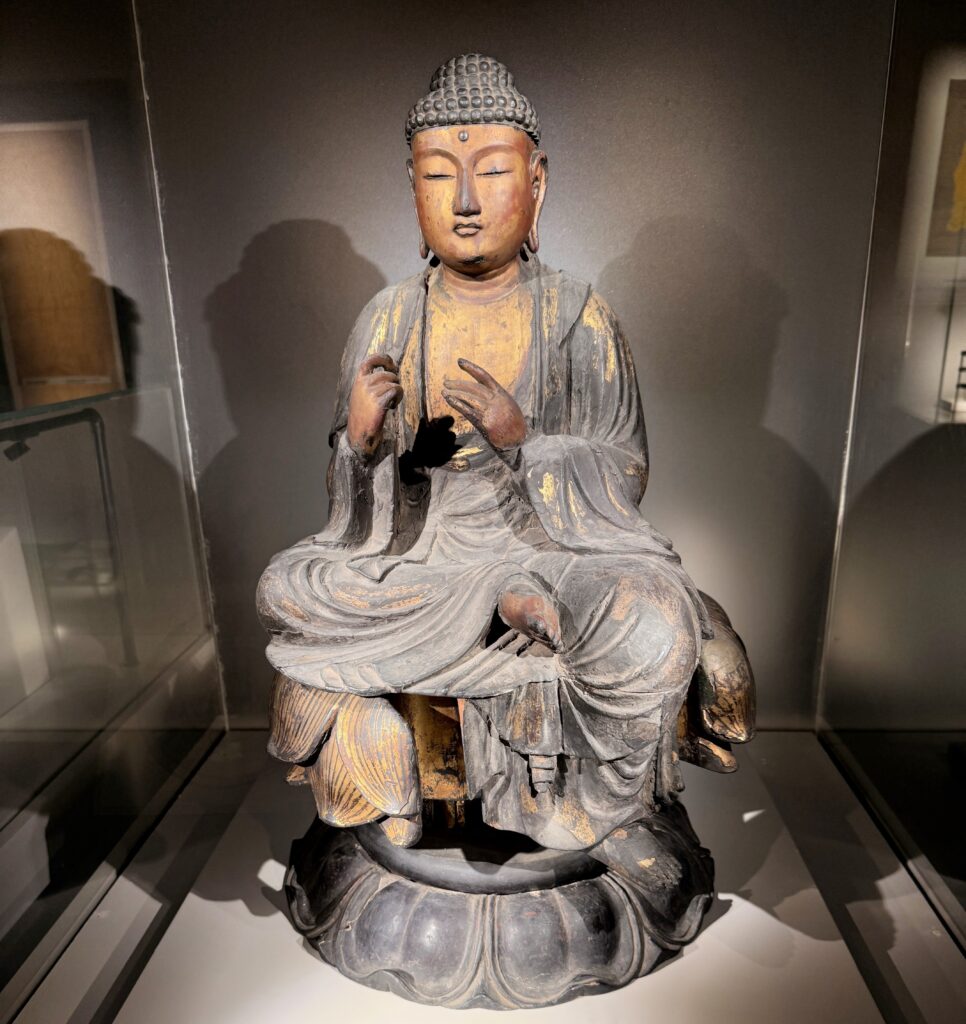
Fig. 22: Serene Amitabha Buddha seated in lalitasana (royal ease pose). 15th century CE, Japan (National Museum, New Delhi)
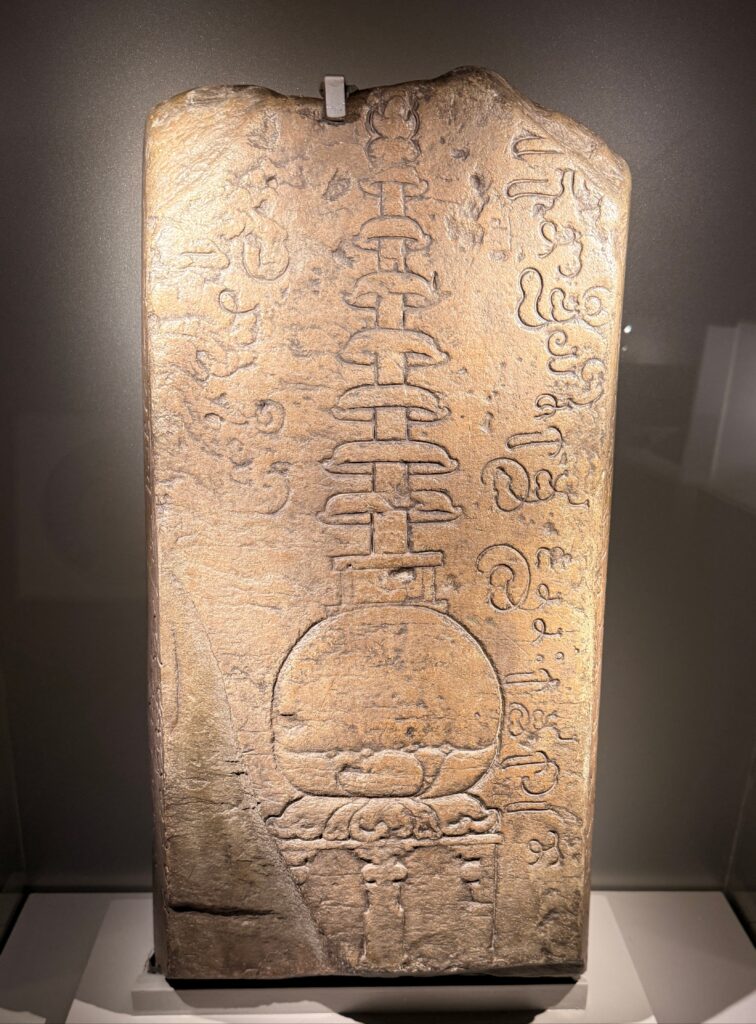
(Indian Museum, Kolkata)
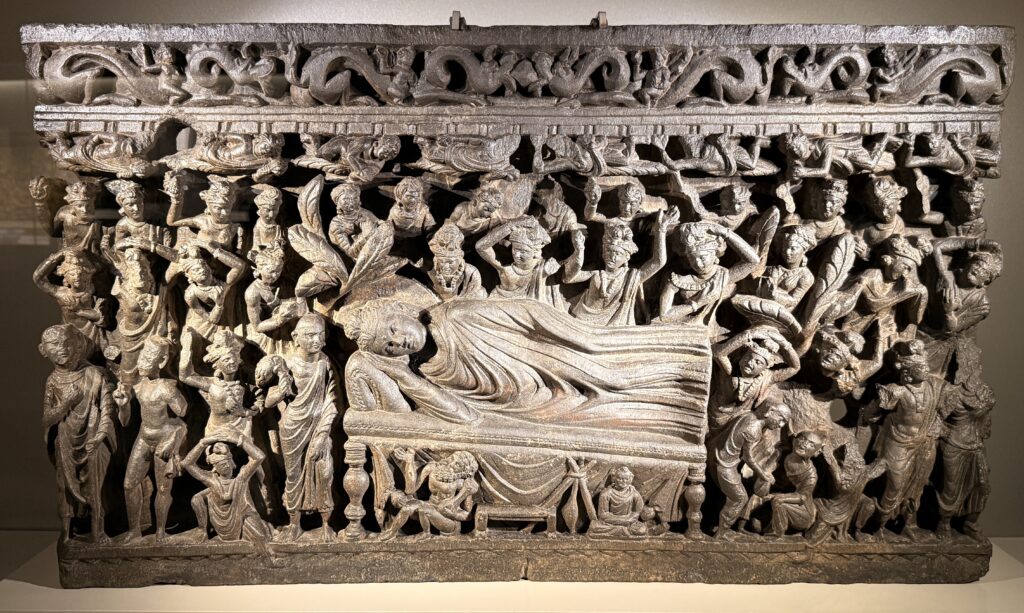
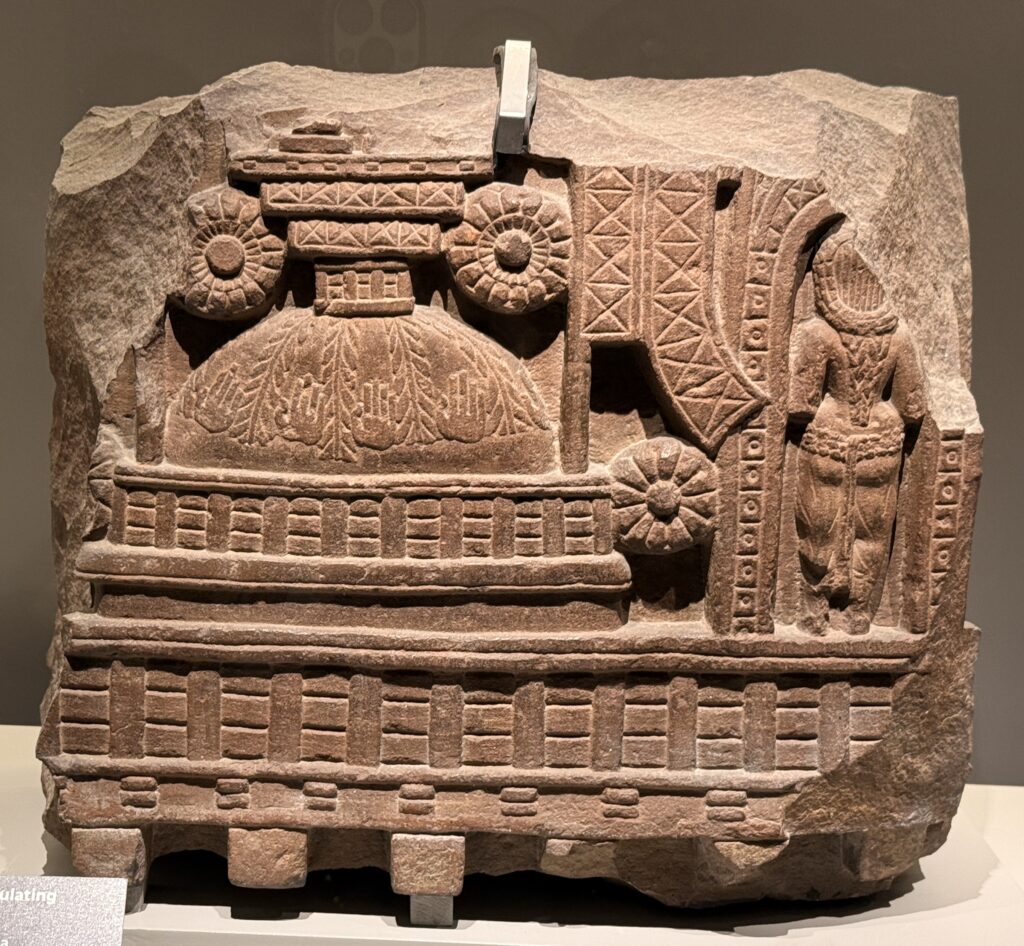
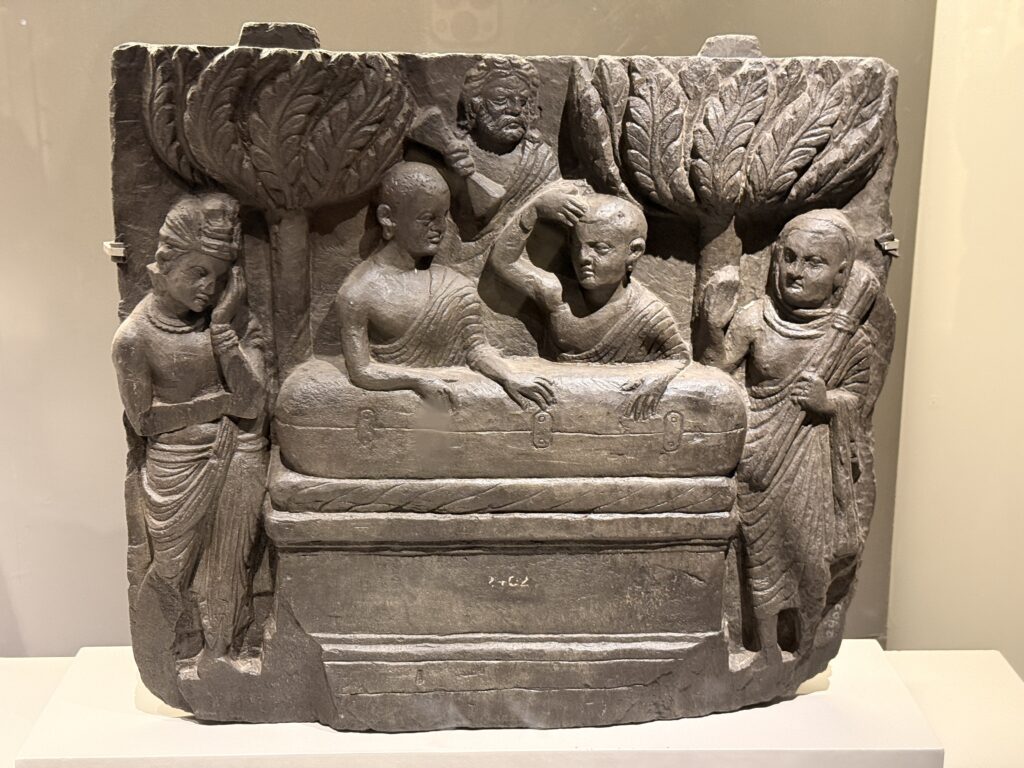
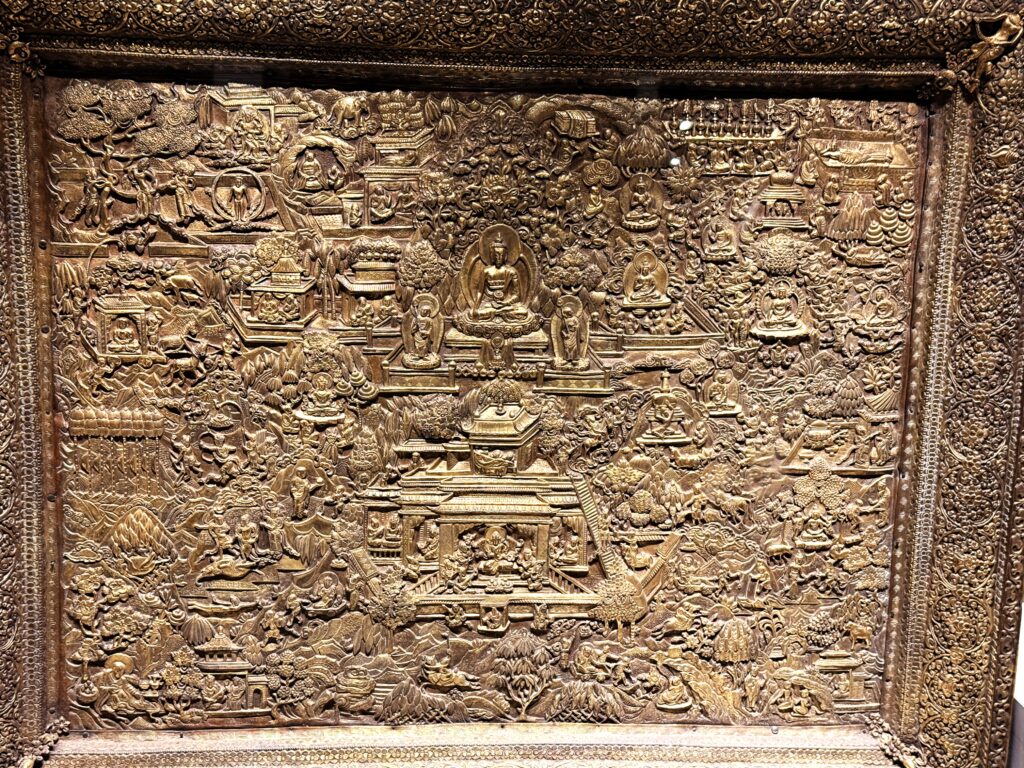
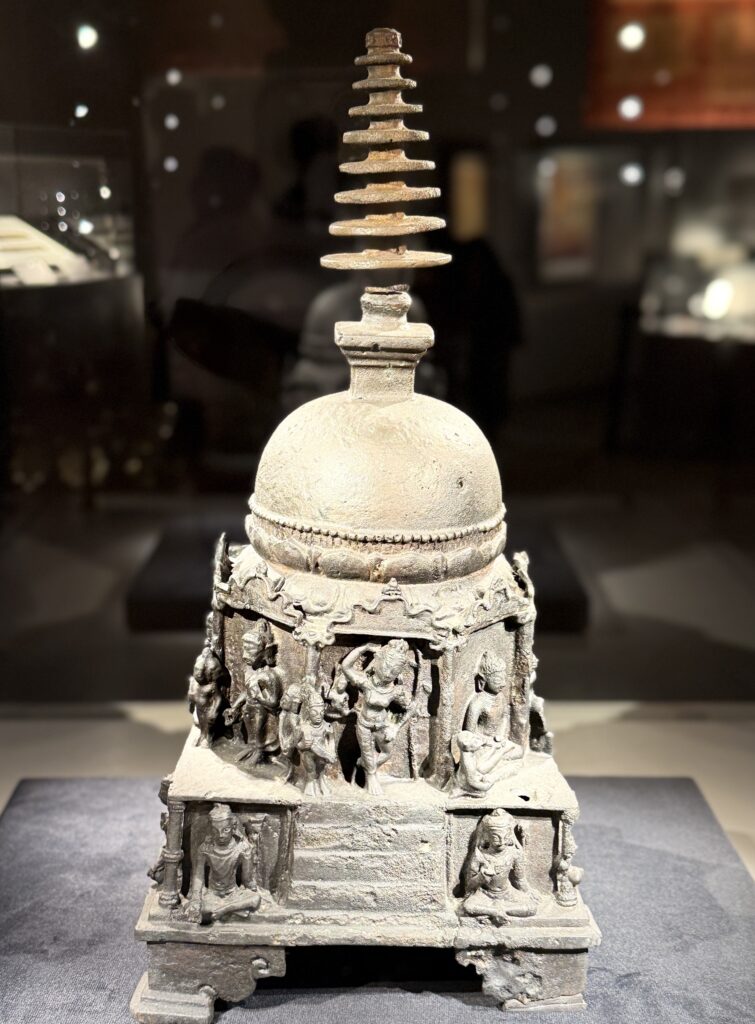
Fig. 27: A miniature votive stupa adorned with eight panels narrating key moments from the Buddha’s life. 10th century CE, Nalanda, Bihar. National Museum, New Delhi)
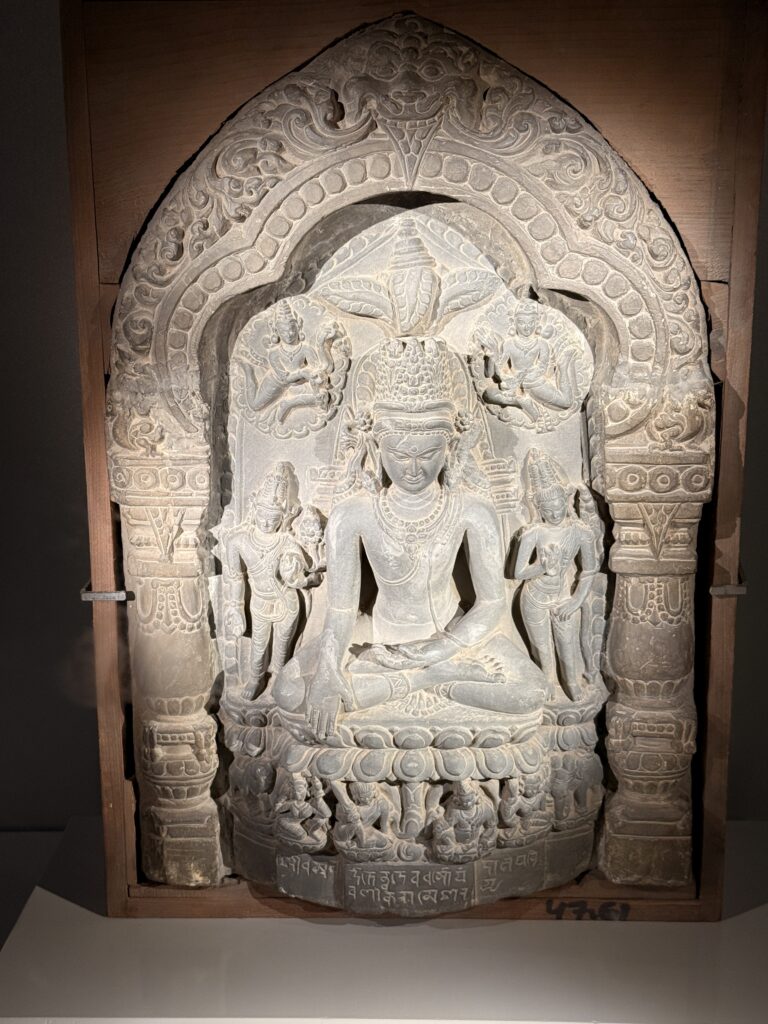
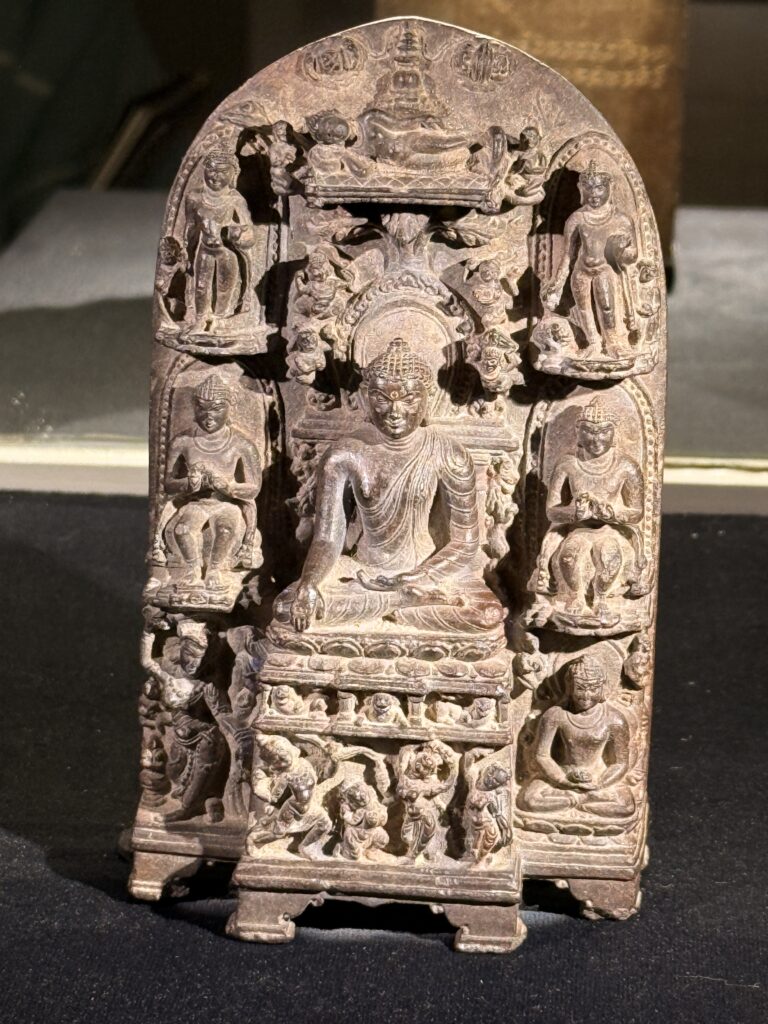
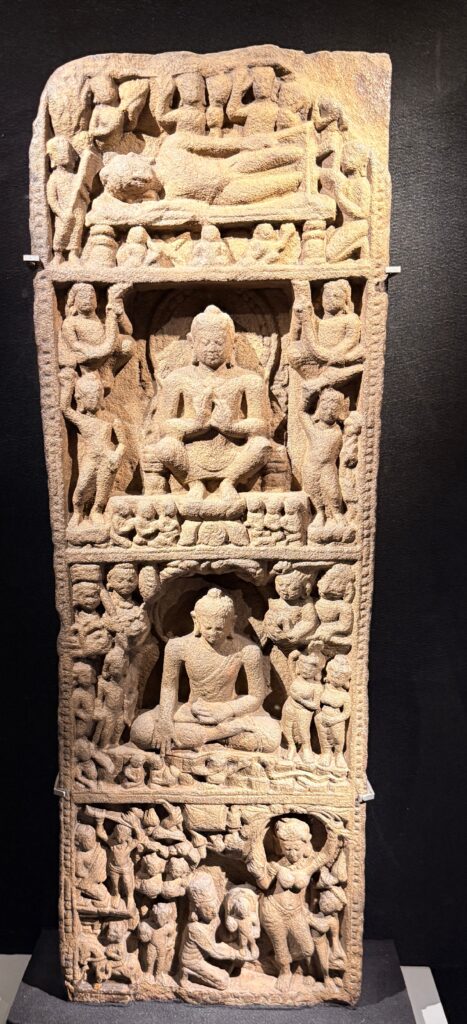
Hopefully when you visit the exhibition, and some of the museums where these artefacts are exhibited, this blog will help remind you to appreciate the artefacts in a little more detail.